iFANN
    iFANN durchsuchen...
    Anmelden
    Startseite
    Nachrichten
    Videos
    Fotos
    GIFs
    Entdecken
    Umfragen
    Auszeichnungen
    iFAMOUS
    Wiki
    Anime
    Räume
    Benachrichtigungen
    Nachrichten
    Lesezeichen
    Profil
    WikiAuszeichnungeniFAMOUSRanglistenBranchenCreator-BelohnungenBenutzerbelohnungenNutzungsbedingungenDatenschutzCommunity-RichtlinienEntfernung / DMCAHilfeEntwickler

    © 2026 iFANN

    Startseite
    Suche
    Nachrichten
    Alarme
    Profil
    Foto
    Vojtech
    Vojtech@vojtech1mo
    🏢Microsoft🏛️MIT - Massachusetts Institute of Technology📱Kimi K3
    Loop vs graph agents explained

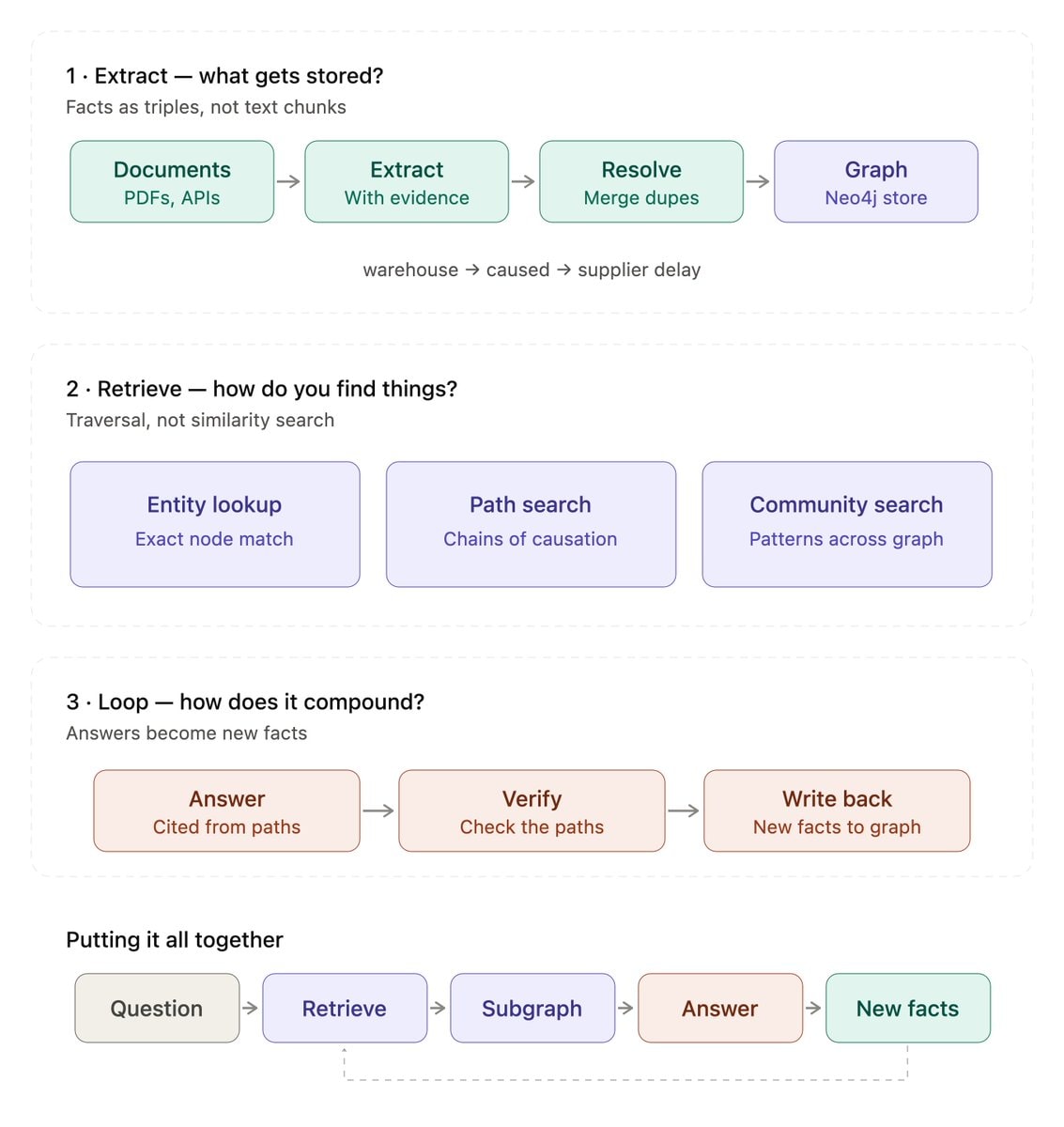
    @vojtechYour agent keeps forgetting everything between runs, and that's the real bottleneck. A loop-based setup gives the agent a goal and lets it figure things out, which works for fresh problems but falls apart when you repeat the same task. A graph instead structures the work as connected facts the agent moves through, so knowledge builds up instead of resetting to zero. It's more effort upfront, but you never start from nothing again. The loop forgets, the graph accumulates. That's the actual unlock: organize what you know as relationships rather than loose files, and a smaller model moving through a clean graph beats a bigger one searching through raw text. Microsoft, Stanford, and MIT all confirmed this independently. Kimi K3 fits the role: a million tokens of context can handle an entire reasoning path at once, at a third of the cost of frontier models. When a loop stops teaching you anything new, freeze it into a graph. So which one is your stack actually running?

    Originalbeitrag ansehen
    Loop vs graph agents explained

    Foto von @vojtech· Aug 16, 2026· Microsoft

    Über dieses Foto

    This is a diagram illustrating a process. The diagram is divided into three sections: "Extract - what gets stored?", "Retrieve - how do you find things?", and "Loop - how does it compound?". A final section titled "Putting it all together" shows a workflow from "Question" to "New facts". The style is clean and informative, like a technical explanation. The text overlays are the titles and descriptions within the diagram boxes.

    Alle Fotos von Microsoft ansehenMicrosoft-Wiki lesen

    ?

    Noch keine Kommentare. Sei der Erste!

    Mehr Fotos von Microsoft

    Alle Fotos von Microsoft ansehen
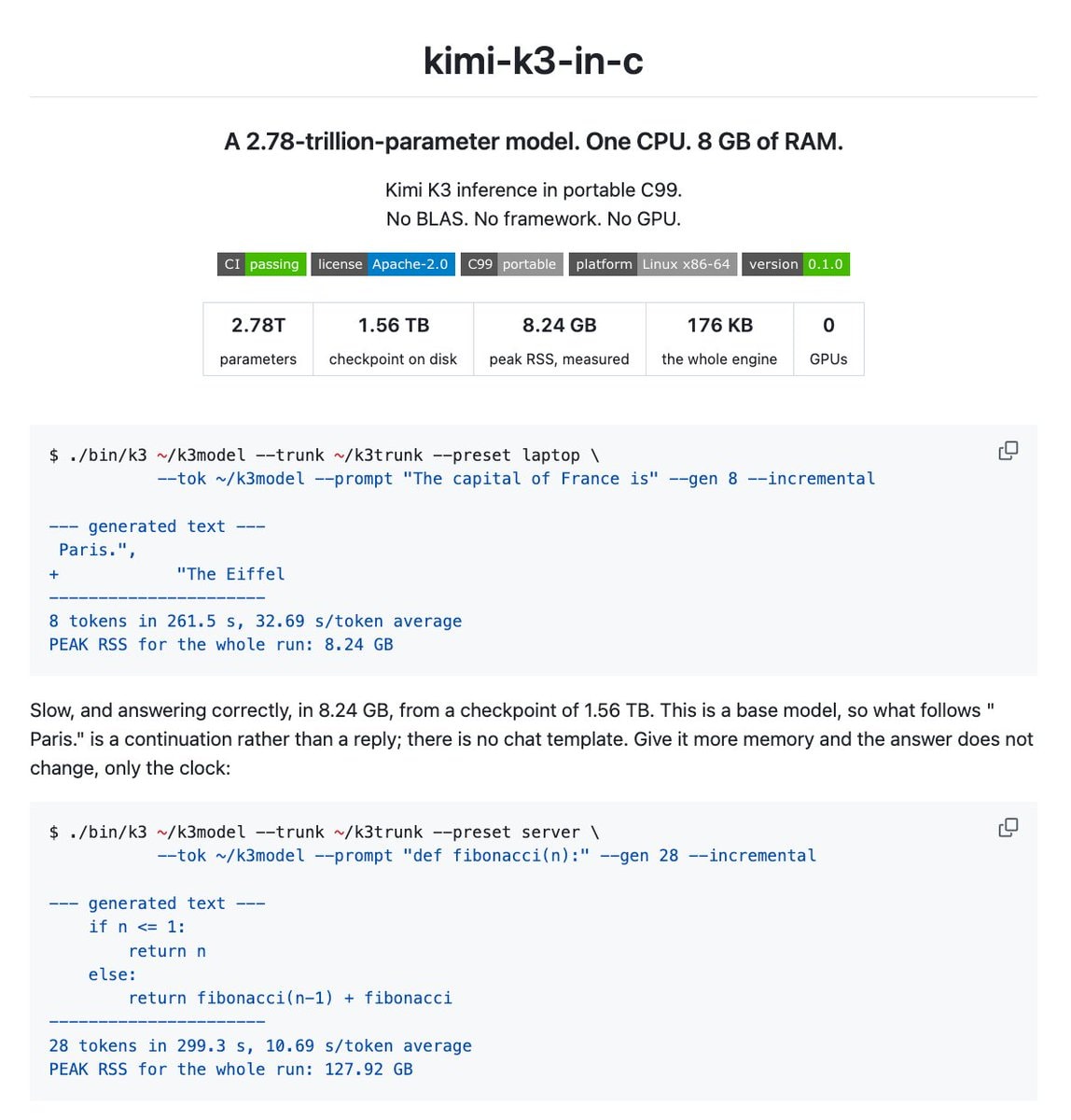
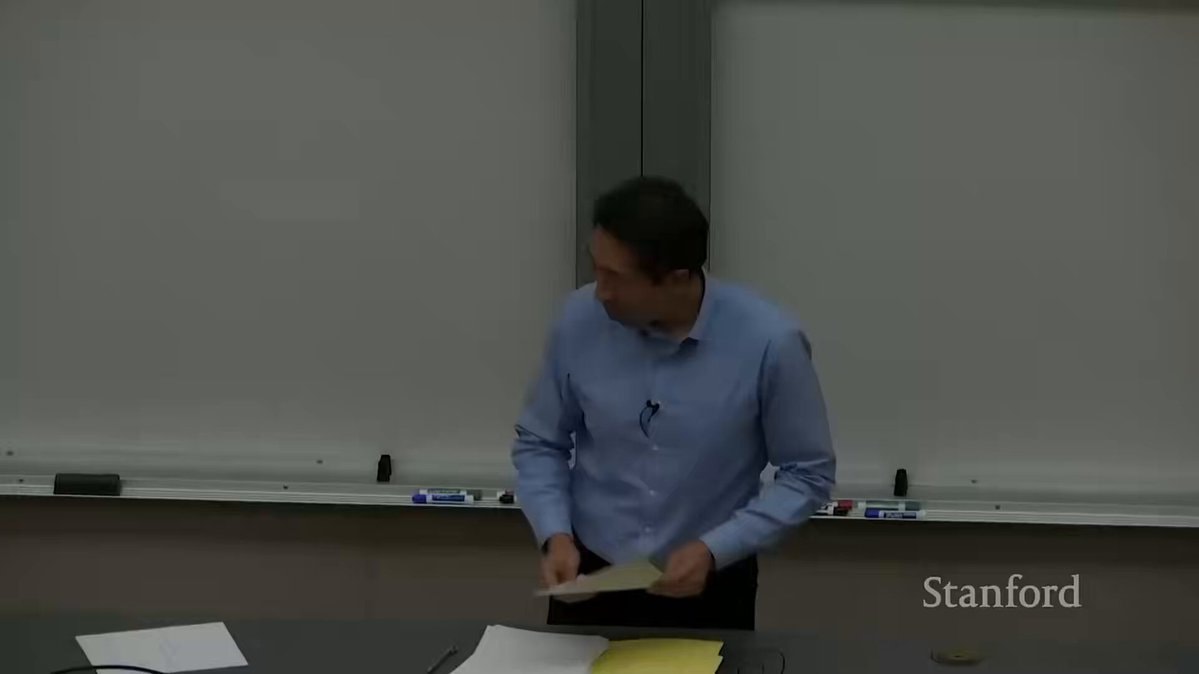
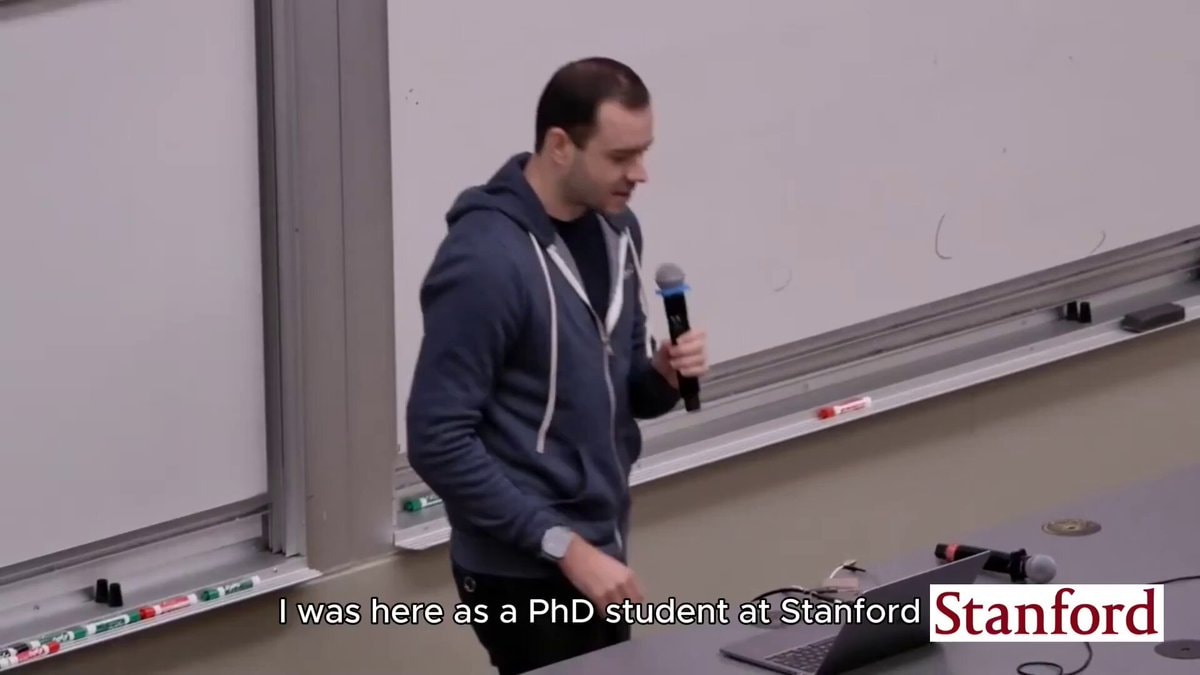
    Andrew Ng Stanford AI Engineering LectureAndrew Ng Stanford AI Engineering LectureKarpathy Stanford AI engineering lectureKarpathy Stanford AI engineering lectureGoogle free graph engineering courseGoogle free graph engineering courseKimi K3 on a single CPU 8 GB RAMKimi K3 on a single CPU 8 GB RAM
    Foto
    Vojtech
    Vojtech@vojtech1mo
    🏢Microsoft🏛️MIT - Massachusetts Institute of Technology📱Kimi K3
    Loop vs graph agents explained

    @vojtechYour agent keeps forgetting everything between runs, and that's the real bottleneck. A loop-based setup gives the agent a goal and lets it figure things out, which works for fresh problems but falls apart when you repeat the same task. A graph instead structures the work as connected facts the agent moves through, so knowledge builds up instead of resetting to zero. It's more effort upfront, but you never start from nothing again. The loop forgets, the graph accumulates. That's the actual unlock: organize what you know as relationships rather than loose files, and a smaller model moving through a clean graph beats a bigger one searching through raw text. Microsoft, Stanford, and MIT all confirmed this independently. Kimi K3 fits the role: a million tokens of context can handle an entire reasoning path at once, at a third of the cost of frontier models. When a loop stops teaching you anything new, freeze it into a graph. So which one is your stack actually running?

    Originalbeitrag ansehen

    Loop vs graph agents explained

    Foto von @vojtech· Aug 16, 2026· Microsoft

    Über dieses Foto

    This is a diagram illustrating a process. The diagram is divided into three sections: "Extract - what gets stored?", "Retrieve - how do you find things?", and "Loop - how does it compound?". A final section titled "Putting it all together" shows a workflow from "Question" to "New facts". The style is clean and informative, like a technical explanation. The text overlays are the titles and descriptions within the diagram boxes.

    Alle Fotos von Microsoft ansehenMicrosoft-Wiki lesen

    ?

    Noch keine Kommentare. Sei der Erste!

    Mehr Fotos von Microsoft

    Alle Fotos von Microsoft ansehen
    Andrew Ng Stanford AI Engineering LectureAndrew Ng Stanford AI Engineering LectureKarpathy Stanford AI engineering lectureKarpathy Stanford AI engineering lectureGoogle free graph engineering courseGoogle free graph engineering courseKimi K3 on a single CPU 8 GB RAMKimi K3 on a single CPU 8 GB RAM