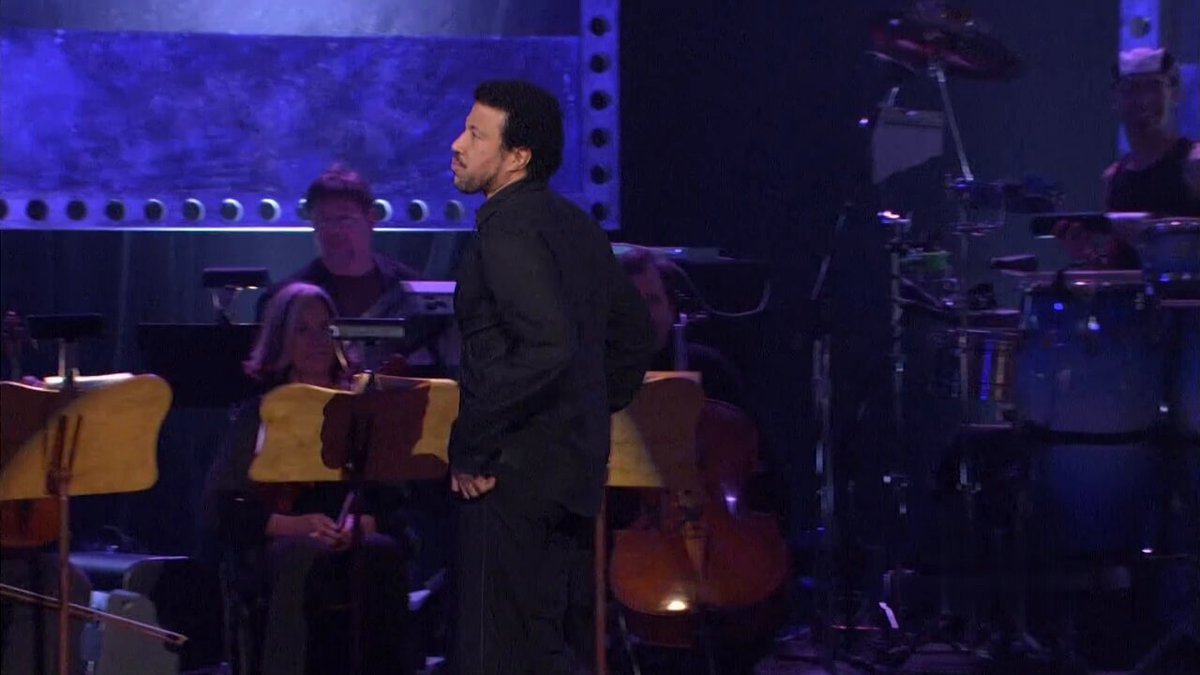
Kenny Rogers and Lionel Richie The Gambler CMT Crossroads
von Felix P: Kenny Rogers
Sometimes a song outlives its own story. 'The Gambler' was written by Don Schlitz and became Kenny Rogers' signature hit in 1978, but the cards and the train ride faded from memory pretty fast. What stayed with people was the advice about when to hold on and when to fold, the idea that knowing when to quit is part of the game. The 2005 CMT Crossroads version with Lionel Richie makes that shift clear. There's no big vocal showdown, just two guys who've been around long enough to sound like they're swapping stories. Rogers keeps that familiar, easy drawl, and Richie slides in with a warmth that doesn't try to overpower anything. It moves at a relaxed pace, the arrangement stays simple, and the lyrics get room to breathe. Rogers brings the country feel, Richie adds a different texture without messing with the simplicity. It plays more like a chat between friends who've learned a few things the hard way than a duet between stars. Take away the poker and the song becomes painfully relatable. 'Know when to hold 'em, know when to fold 'em' isn't about cards anymore. It's about relationships that have gone stale, jobs that don't fit anymore, arguments that never get resolved, and the situations where we cling on just because we're too proud to stop. Most of us have been there, holding on because we've put in so much already, or because leaving feels like giving up, or because we keep hoping things will turn around even when every sign says otherwise. The song doesn't shame that. It just offers a gentle reminder that stopping can be as important as continuing. That might be why it's lasted so long. The message is easy to remember but hard to actually follow. Life doesn't give us a clear sign when something's over. There's no siren, no final word, no perfect timing that makes the call obvious. Sometimes you just have to see that the hand you wanted isn't yours to play anymore. That's the part that sticks with me. The song isn't about winning. It's about understanding that walking away isn't always losing. Sometimes it's the smartest move you can make. And the hardest wisdom is knowing when you've held on long enough.