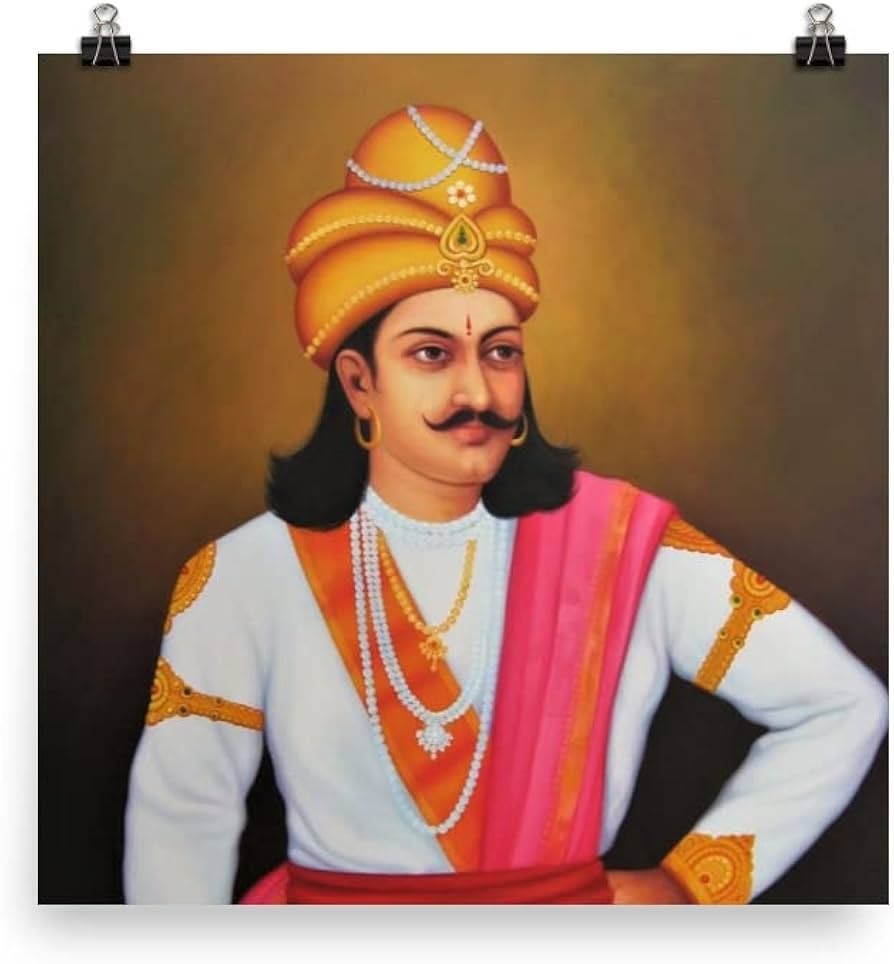
Ashoka
Also known as: Devanampriya Priyadarshi, Ashoka the Great
Geburtstag
304 BCE
Sternzeichen
Capricorn
Geburtsort
Pataliputra (modern Patna, Bihar, India)
Alter
Gestorben mit 72
Über
Ashoka was the third Mauryan emperor who ruled over a vast empire stretching from Afghanistan to Bangladesh from his capital at Pataliputra. He is best known for his dramatic transformation from a ruthless conqueror to a peacemaker after the bloody Kalinga War. Today, his legacy is woven into the fabric of modern India: the Lion Capital of Ashoka serves as the national emblem and the Ashoka Chakra adorns the center of the national flag. His edicts, carved on pillars and rocks across the subcontinent, are among the earliest decipherable written records in South Asia. They promote nonviolence, religious tolerance, and ethical governance. Ashoka's patronage helped transform Buddhism from a regional sect into a global faith, with missionaries dispatched as far as Sri Lanka and the Hellenistic world. For centuries after his death, he was largely forgotten until 19th-century scholars deciphered the Brahmi script and rediscovered his empire. In 1999, TIME magazine listed him among the 100 most important people of the past millennium.
Frühes Leben & Hintergrund
Ashoka wurde um 304 v. Chr. in Pataliputra als Sohn von Kaiser Bindusara und Königin Subhadrangi, einer Nebenfrau, geboren. Laut buddhistischen Texten wie dem Ashokavadana war er nicht der Liebling seines Vaters und wurde als von rauer Erscheinung beschrieben, was zu Vernachlässigung führte. Er erhielt die übliche fürstliche Ausbildung in Kriegsführung, Staatskunst und Verwaltung. Ein entscheidender Moment kam, als sein Vater ihn entsandte, um eine Rebellion in der Region Avanti mit Zentrum in Ujjain niederzuschlagen. Ashoka gelang dies und bewies damit seine militärischen Fähigkeiten. Während dieser Zeit verliebte er sich in Devi, die Tochter eines Kaufmanns aus Vidisha, die seine erste Frau wurde und von der angenommen wird, dass sie ihn mit buddhistischen Lehren bekannt machte. Als Bindusara um 272 v. Chr. starb, brach ein brutaler Erbfolgekrieg aus. Buddhistische Quellen behaupten, Ashoka habe 99 seiner Halbbrüder getötet, um den Thron zu sichern, was jedoch wahrscheinlich übertrieben ist. Nach einem vierjährigen Interregnum wurde er 268 v. Chr. im Alter von 36 Jahren formell gekrönt.
Karriereentwicklung
Ashokas Herrschaft begann mit militärischer Expansion, aber alles änderte sich mit dem Kalinga-Krieg um 260 v. Chr. Der Feldzug war der blutigste seiner Regierungszeit und forderte etwa 100.000 Tote und 150.000 Deportierte. Entsetzt über das Gemetzel bekannte sich Ashoka öffentlich zum Buddhismus und übernahm die Politik des Dhamma, des rechtschaffenen Handelns. Er entsagte der militärischen Eroberung und konzentrierte sich stattdessen auf moralische Regierungsführung. In den folgenden zwei Jahrzehnten errichtete er 33 Edikte, die in Säulen, Felsen und Höhlenwände in seinem gesamten Reich gemeißelt wurden, verfasst in Prakrit, Griechisch und Aramäisch. Diese Edikte förderten Gewaltlosigkeit, religiöse Toleranz, Tierschutz und ethisches Verhalten. Um 250 v. Chr. berief er das Dritte Buddhistische Konzil in Pataliputra ein, um den Sangha zu reinigen und Lehrstreitigkeiten beizulegen. Anschließend entsandte er Missionare nach Sri Lanka, angeführt von seinem Sohn Mahinda und seiner Tochter Sanghamitta, sowie nach Südostasien, Zentralasien und den hellenistischen Königreichen. Er baute auch Tausende von Stupas und Klöstern, am bekanntesten die Große Stupa in Sanchi und das Löwenkapitell in Sarnath, das später zum nationalen Emblem Indiens wurde. Ashoka starb 232 v. Chr. im Alter von etwa 72 Jahren. Innerhalb von 50 Jahren begann das Maurya-Reich zu verfallen.
Karriereverlauf
Öffentliches Bild & Stil
Ashoka wird typischerweise als königliche Figur mit einem ruhigen, nachdenklichen Ausdruck dargestellt, oft mit buddhistischen Symbolen wie Lotus, Rad und Stupa. Sein Bild ist das eines tragischen Helden, der eine tiefgreifende moralische Wandlung durchmachte. Filme, Bücher und Dokumentationen betonen den Kalinga-Krieg als Wendepunkt. Online-Communities wie das Subreddit r/Ashoka mit 5.000 Mitgliedern diskutieren seine Edikte und debattieren über seine Historizität. Akademische und dokumentarische Kanäle stellen ihn als Vorbild ethischer Regierungsführung dar. Der Ashoka-Hashtag auf Instagram hat über 50.000 Beiträge, und Fanseiten auf Facebook haben insgesamt über 100.000 Follower. Seine Geschichte findet beim Publikum Anklang als zeitloses Beispiel für Erlösung und die Kraft der Gewaltlosigkeit.
Ruhm & Fandom
The historical figure of Ashoka commands a following that transcends the modern concept of fandom, consisting primarily of historians, Buddhists, and students of antiquity rather than an organized collective with a specific name. While no fanbase gathers to celebrate his birthday or commission digital billboards, his legacy persists through the enduring study of his edicts and the veneration of his monuments across South Asia. This unique form of devotion places him firmly within the global consciousness, a status quantified by recent data from the iFANN Global Fame Rankings. In August 2026, Ashoka was recorded as the 28th most famous person in Sri Lanka, a position he has held steady since the previous cycle. This ranking reflects the deep cultural imprint of his reign on the island nation, where his influence remains a central pillar of national identity and religious history. The placement underscores how ancient figures can maintain significant prominence long after their physical erasure, driven by continuous educational and cultural engagement. His presence in this dataset confirms that his narrative continues to resonate across borders, bridging millennia of human experience without the need for active campaigning or media cycles typical of contemporary celebrities.
Interessante Fakten und Legenden
Ashoka's edicts mention five contemporary Greek kings, including Antiochus II and Ptolemy II, demonstrating the diplomatic reach of his empire. The name Ashoka translates to without sorrow in Sanskrit. He was the first Indian ruler to leave behind decipherable written records. Ashoka banned animal sacrifices, restricted meat consumption, and established hospitals for both humans and animals. He also created a network of roads complete with rest houses and shade trees. The Ashoka Chakra features 24 spokes, representing the 12 causal links of dependent origination and 12 aspects of the Buddha's teachings. His empire covered approximately 5 million square kilometers. He remained forgotten in Indian history until British scholar James Prinsep deciphered the Brahmi script in 1837, revealing the contents of his edicts. A widely retold legend describes his transformation from a ruthless conqueror to a benevolent ruler after the devastation of the Kalinga War. Historical accounts state he was horrified by the massive loss of life and subsequently renounced violence to adopt Buddhism. Another legendary aspect involves his patronage of Buddhism, where he is credited with remaking the Mauryan state into a society based on tolerance and nonviolence. This era saw the construction of thousands of stupas and the erection of stone pillars inscribed with his message of Dharma across the subcontinent.
Bemerkenswerte Zitate
“All men are my children. As for my children, I desire that they may be provided with all the welfare and happiness of this world and of the next.”
“The Dhamma is good. What is Dhamma? It is having few faults and many good deeds, mercy, charity, truthfulness, and purity.”
“Beloved-of-the-Gods, King Piyadasi, conquered Kalinga... 150,000 people were deported, 100,000 were killed, and many more died.”
“The only true conquest is the conquest of the self.”
Familie & Privatleben
Ashoka war der Sohn von Kaiser Bindusara und Königin Subhadrangi. Er hatte viele Halbbrüder, wobei die buddhistische Tradition behauptet, er habe 99 Geschwister gehabt. Sein Großvater war Chandragupta Maurya, der Gründer des Maurya-Reiches. Ashoka hatte mindestens fünf Frauen: Devi, Asandhimitra, Karuvaki, Padmavati und Tishyaraksha. Zu seinen Kindern gehören Mahinda und Sanghamitta (mit Devi), Tivala (mit Karuvaki), Kunala (mit Padmavati), Jalauka (Mutter ungewiss) und möglicherweise Charumati. Mahinda und Sanghamitta wurden buddhistische Missionare in Sri Lanka. Kunala wurde bei einer Palastintrige unter Beteiligung von Tishyaraksha geblendet. Ashokas Haushalt hatte sein Zentrum in Pataliputra, und sein Familienleben war sowohl von Hingabe als auch von Tragödien geprägt.
Bemerkenswerte Verbindungen
Ashokas Herrschaft wurde von Schlüsselfiguren geprägt. Moggaliputta Tissa leitete das Dritte Buddhistische Konzil. Sein Sohn Mahinda und seine Tochter Sanghamitta führten Missionen nach Sri Lanka. Seine erste Frau Devi führte ihn in den Buddhismus ein. Sein Großvater Chandragupta Maurya gründete das Reich. Sein Vater Bindusara war sein Vorgänger. In der Neuzeit entzifferte der britische Gelehrte James Prinsep die Brahmi-Schrift und entdeckte so Ashokas Vermächtnis wieder.
Beziehungen & Dating-Vergangenheit
Ashoka hatte fünf bekannte Ehefrauen. Seine erste Frau war Devi, die Tochter eines Kaufmanns aus Vidisha, die er um 275 v. Chr. heiratete. Sie hatten zwei Kinder, Mahinda und Sanghamitta, und ihr wird zugeschrieben, ihn mit dem Buddhismus bekannt gemacht zu haben. Ihre Trennung verlief einvernehmlich; sie blieb nach seiner Thronbesteigung in Vidisha. Seine Hauptkönigin für den Großteil seiner Herrschaft war Asandhimitra, die er um 268 v. Chr. heiratete, bekannt für Weisheit und Hingabe zum Buddhismus; sie starb um 240 v. Chr. Karuvaki, um 265 v. Chr. geheiratet, ist die einzige Königin, die in seinen Edikten namentlich erwähnt wird (Königinnen-Edikt) und war die Mutter von Prinz Tivala. Padmavati, um 260 v. Chr. geheiratet, war die Mutter von Prinz Kunala, der später bei einer Palastintrige geblendet wurde. Seine letzte Hauptkönigin war Tishyaraksha, um 240 v. Chr. geheiratet, die in buddhistischen Texten negativ dargestellt wird, da sie angeblich Kunalas Blendung verursachte. Ashoka starb 232 v. Chr., und es sind keine Beziehungen nach seinem Tod verzeichnet.
- VerheiratetDevi-275 - -260Kennengelernt, als Ashoka Gouverneur von Ujjain war; Mutter von Mahinda und Sanghamitta; einvernehmliche Trennung, sie blieb in Vidisha.
- VerheiratetAsandhimitra-268 - -240Hauptkönigin-Gemahlin für den Großteil von Ashokas Herrschaft; bekannt für Weisheit und buddhistische Hingabe; starb vor ihm.
- VerheiratetKaruvaki-265 - -232Einzige Königin, die in Ashokas Edikten namentlich erwähnt wird; Mutter von Prinz Tivala.
- VerheiratetPadmavati-260 - -232Mutter von Prinz Kunala, der später bei einer Palastintrige geblendet wurde.
- VerheiratetTishyaraksha-240 - -232Letzte Hauptkönigin; in buddhistischen Texten negativ dargestellt, da sie angeblich Kunalas Blendung verursachte.
Tod und Nachwirkungen
Gestorben
232 BCE (im Alter von 72 Jahren)
Sterbeort
Unbekannt
Todesursache
Unbekannt
Ashoka died in 232 BCE. Historical chronicles such as the Dipavamsa and Mahavamsa suggest he passed away in his old age or following a period of illness, though no specific cause or medical record survives from the third century BCE. The transition of power to his son Dasharatha was a dynastic succession rather than a legal dispute, yet the empire began to decline within fifty years due to weak successors and internal strife. Funeral arrangements followed ancient Indian royal customs involving cremation, with accounts in the Ashokavadana stating that his remains were divided among eight stupas distributed across his realm for public veneration.
These monuments, including those at Sanchi and Amaravati, served as enduring memorials. His legacy was propagated through the spread of Buddhism to Sri Lanka and Southeast Asia, a movement he championed during his lifetime. Modern recognition includes academic works like the 2024 Yale University Press publication A Shining Star of Kingship: Emperor Ashoka in the 3rd Century BCE and ongoing archaeological efforts such as the 2026 excavations at Vaishya Tekri in Ujjain. Institutions named in his honor, such as Ashoka University and the global network Ashoka USA, continue to reflect his influence on social entrepreneurship and education.
Vermögen (Nachlasswert)
$0
Schätzung der iFANN-Redaktion
Ashoka is deceased, so no modern net worth applies. During his reign, the Mauryan treasury was among the largest in the ancient world, with annual revenues from land taxes, trade, and tribute estimated in hundreds of millions of silver coins (karshapanas). Historians estimate the empire's wealth at its peak was equivalent to billions of modern dollars in gold and land value. Today, his legacy generates significant value for India through tourism to sites like Sanchi, Sarnath, and the Ashoka Pillars. The Ashoka brand is used by hotels, airlines (Air India's Ashoka Chakra logo), and government institutions. No modern estate exists, and no posthumous earnings are attributed to him. Per iFANN's editorial analysis, the total net worth is $0.
Gewonnene Auszeichnungen (2)
Ashoka erhielt keine formellen Auszeichnungen im modernen Sinne. Seine historischen Ehrungen umfassen jedoch die selbstverliehenen Titel Devanampiya (Geliebter der Götter) und Priyadarshi (von gnädiger Miene). Posthum wird er weithin Ashoka der Große genannt. Das Löwenkapitell von Ashoka wurde 1950 als Nationalemblem Indiens übernommen, und das Ashoka Chakra wurde 1947 zum zentralen Motiv der indischen Nationalflagge. Der Große Stupa von Sanchi, der unter seiner Schirmherrschaft erbaut wurde, ist ein UNESCO-Weltkulturerbe.
1950 · Nationales Symbol
Lion Capital of Ashoka
1947 · Nationales Symbol
Ashoka Chakra
Bekannt für
Mauryan Emperor
268 BCE - 232 BCE · Emperor
Edicts of Ashoka
c. 258 BCE - 240 BCE · Author
Patron of Buddhism
c. 259 BCE - 232 BCE · Patron
Schlagwörter
Kurzfakten
- Beruf
- Emperor, Buddhist patron
- Geboren
- 304 BCE
- Geburtsort
- Pataliputra (modern Patna, Bihar, India)
- Gestorben
- 232 BCE
- Sterbeort
- Pataliputra
- Geschlecht
- Männlich
- Ehepartner
- Devi, Asandhimitra, Karuvaki, Padmavati, Tishyaraksha
- Sternzeichen
- Capricorn
Persönliche Details
- Vollständiger Name
- Devanampriya Priyadarshi
- Ehepartner
- Devi, Asandhimitra, Karuvaki, Padmavati, Tishyaraksha
- Kinder
- Mahinda, Sanghamitta, Tivala, Kunala, Jalauka, Charumati
- Bildung
- Princely education in military tactics, statecraft, administration, and philosophy
Häufig gestellte Fragen
Wer war Ashoka?
Wie hoch ist Ashokas Vermögen im Jahr 2026?
Warum ist Ashoka berühmt?
Was ist das Ashoka Chakra?
Wie starb Ashoka?
Soziale Medien
Ähnliche Personen
Der Community beitreten
Fans diskutieren