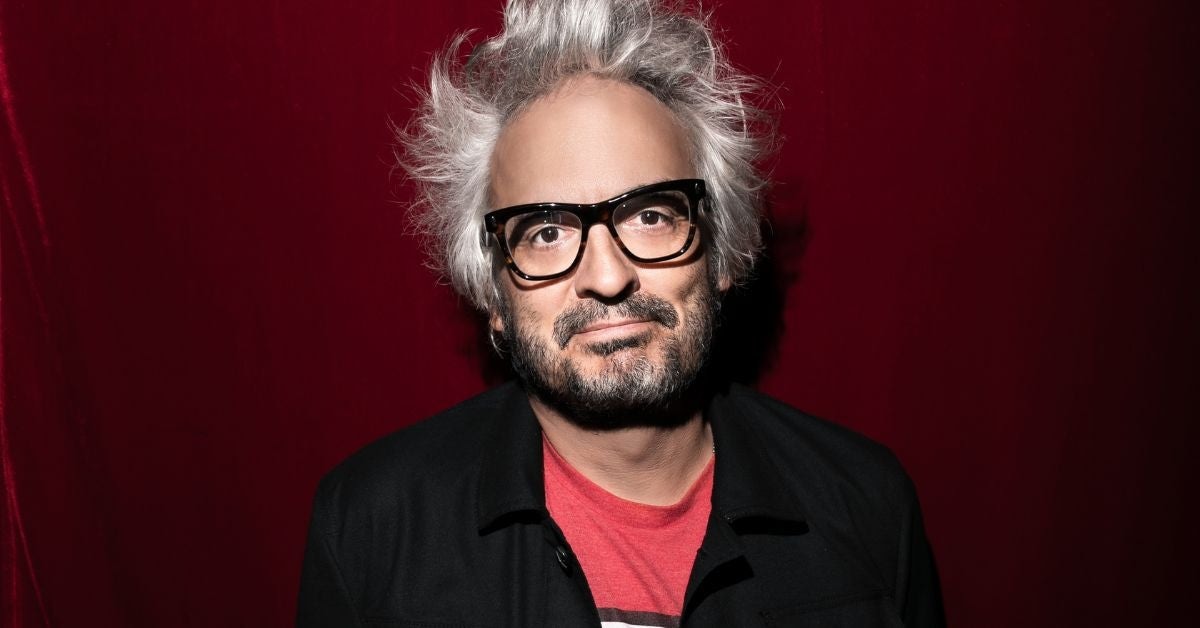
Byron Kennedy
 Australia
film producer•cinematographer•screenwriter
Geburtstag
August 18, 1949
Sternzeichen
Leo
Geburtsort
Melbourne, Victoria, Australia
Alter
Gestorben mit 33
Größe
5 ft 10 in (178 cm)
Über
Byron Kennedy war ein australischer Filmproduzent, Kameramann und Drehbuchautor, der zusammen mit George Miller die Mad Max-Reihe schuf. Geboren am 18. August 1949 in Melbourne, starb er tragisch jung am 17. Juli 1983 bei einem Helikopterabsturz im Alter von 33 Jahren. In seiner kurzen Karriere arbeitete Kennedy an etwa einem Dutzend Filmen und TV-Projekten und hinterließ einen überragenden Eindruck im australischen Kino.
Frühes Leben & Hintergrund
Byron Kennedy wuchs in den östlichen Vororten von Melbourne auf, als Sohn eines Arztes und einer Krankenschwester. Die Arztpraxis seines Vaters sorgte für ein angenehmes Zuhause, aber der junge Byron interessierte sich weitaus mehr für das Geschichtenerzählen als für Wissenschaft. Er baute eine Dunkelkammer in der Garage der Familie und entwickelte seine eigenen Filme, wobei er oft die 8-mm-Kamera seines Vaters auslieh, um Kurzfilme mit Freunden aus der Nachbarschaft zu drehen. An der Melbourne High School organisierte er Filmvorführungen und schrieb für das Schulmagazin, wobei er seine Freizeit im Kino statt mit Lernen verbrachte.
Nach seinem Abschluss schrieb sich Kennedy an der University of New South Wales ein, um Medizin zu studieren und den Erwartungen seiner Familie zu entsprechen. Dort traf er seinen Kommilitonen George Miller, und ihre gemeinsame Leidenschaft für das Kino schmiedete eine sofortige Verbindung. Sie begannen am Wochenende, Kurzfilme zu drehen, wobei Kennedy die Kamera bediente und Miller Regie führte. 1971 inszenierten sie gemeinsam Violence in the Cinema, Part 1, ein satirisches siebenminütiges Werk, das den Grierson Award beim Sydney Film Festival gewann. Dieser Sieg gab ihnen das Selbstvertrauen, einen Spielfilm zu versuchen. Kennedy brach sein Medizinstudium ab, um sich ganz dem Film zu widmen, während Miller seinen Abschluss machte, aber weiterhin mitarbeitete.
Vor Mad Max arbeitete Kennedy als Kameramann an Low-Budget-Filmen und Fernsehwerbespots in Australien und erwarb sich einen Ruf für technische Genialität und Einfallsreichtum. Er kaufte eine Bolex 16-mm-Kamera von Geld, das er durch Teilzeitjobs gespart hatte. Der entscheidende Moment kam, als er die Australian Film Commission davon überzeugte, 350.000 US-Dollar in Mad Max zu investieren, nachdem andere Geldgeber mehrfach abgelehnt hatten.
Karriereentwicklung
1979 kam Mad Max in die Kinos. Kennedy fungierte als Produzent, Kameramann und ungenannter Co-Autor. Der Film wurde mit einem Minimalbudget von 350.000 australischen Dollar produziert, spielte aber weltweit über 100 Millionen US-Dollar ein und wurde zu einem der profitabelsten Filme aller Zeiten im Verhältnis zu den Kosten. Er begründete das postapokalyptische Action-Genre und machte Mel Gibson zum Star.
Die Fortsetzung Mad Max 2: The Road Warrior von 1981 erweiterte die düstere Ästhetik der Reihe. Kennedy produzierte und fungierte als Kameramann der zweiten Einheit. Mit einem Budget von 4 Millionen australischen Dollar spielte der Film weltweit 36 Millionen US-Dollar ein und gilt weithin als einer der besten Actionfilme aller Zeiten. Der Film gewann 1982 den Australian Film Institute Award für den besten Film.
Kennedy schrieb auch den Thriller The Chain Reaction mit und drehte ihn, der 1983 veröffentlicht wurde. Nach seinem Tod produzierte Kennedy Miller Productions weiterhin bedeutende australische Werke, darunter Mad Max Beyond Thunderdome (1985), The Year My Voice Broke (1987) und Babe (1995).
Karriereverlauf
Öffentliches Bild & Stil
Byron Kennedy wird als visionärer Produzent und technischer Innovator in Erinnerung bleiben, ein ruhiger und intensiver Handwerker, der es vorzog, hinter der Kamera zu arbeiten. Mediale Darstellungen betonen seine Partnerschaft mit George Miller als Yin-Yang-Dynamik: Miller der einfallsreiche Träumer, Kennedy der praktische Realist, der das Unmögliche mit winzigen Budgets möglich machte. Seine Ästhetik war düster, viszeral und einfallsreich, was sich im kontrollierten Chaos der Mad Max-Filme widerspiegelte. Fans der Reihe, die sich oft als Wastelanders oder Road Warriors bezeichnen, veranstalten jedes Jahr Marathons zum Jahrestag der Veröffentlichung des ersten Films. Online-Foren wie das Mad Max Fan Forum und der r/MadMax-Subreddit diskutieren häufig Kennedys Beiträge.
Ruhm & Fandom
Byron Kennedy remains a towering figure within the Mad Max franchise community, revered not for a formalized fan club but for his foundational role in creating one of cinema's most enduring action sagas. While the broader audience identifies as fans of the films themselves, this dedicated group actively preserves his memory through online memorials and discussions on platforms like Reddit, often gathering to commemorate significant anniversaries of his life and work. The industry itself honors his legacy through the AACTA Byron Kennedy Award, a reflection of the creative enterprise he championed before his untimely death. Despite his immense influence, iFANN has evaluated his global standing and determined that he currently holds no placement in the published Global Top 1,000 rankings or any Top-100 scope lists. This absence from the current charts reflects the unique nature of his fame: a deep, historical resonance rather than a contemporary viral presence. The iFANN Global Fame Engine confirms that while his name is instantly recognized by cinephiles worldwide, it does not currently register with the volume required for a ranked position in the general population. Fans do not utilize a specific moniker for their collective identity, nor are there recorded instances of organized fan-funded campaigns or street-level rituals dedicated solely to him. His relationship with the public is entirely posthumous, mediated through the gritty aesthetic of the films he helped build alongside George Miller. The lack of a formal fandom name underscores how his legend is woven into the fabric of the franchise history rather than existing as a separate pop culture phenomenon.
Interessante Fakten und Legenden
Kennedy taught himself to fly helicopters specifically for location scouting on Mad Max 2, logging over 500 flight hours during production. He personally designed the iconic interceptor car, a 1973 Ford Falcon XB GT coupe, sourcing it from a junkyard to serve as the film's centerpiece vehicle. Although his cinematography was rough, Kennedy refused credit on Mad Max because he felt it lacked polish, yet George Miller insisted on acknowledging his contribution. His father initially refused to speak to him after he dropped out of medical school, but they reconciled only after Mad Max became a massive hit. Kennedy never saw the final cut of The Road Warrior, dying two weeks before its Australian premiere. His funeral drew over 500 mourners, including Australian Prime Minister Bob Hawke. A lasting legend surrounds his tragic death in a helicopter crash near Sydney on July 17, 1983, while carrying equipment for what would become Mad Max Beyond Thunderdome. This event is widely cited as the moment the original creative team of the franchise was severed forever, casting a somber shadow over the series' mythology. Fans still retell the story of how his practical realism made the impossible possible on tiny budgets, turning resourcefulness into an art form that defined the franchise's visual style.
Bemerkenswerte Zitate
“I don't think of myself as a producer. I think of myself as a filmmaker who happens to handle the money.”
“George and I have the same brain, just different halves.”
“We made Mad Max for less than it costs to make a television commercial. And I think that shows what you can do if you have passion and you're willing to sleep in your car.”
“The helicopter is the only way to see the landscape properly. From the ground, you miss the patterns.”
“I want to make films that feel like they're going to explode. That's the energy I'm after.”
Familie & Privatleben
Kennedy wurde in eine Ärztefamilie in Melbourne geboren. Sein Vater war Arzt und seine Mutter Krankenschwester. Er hatte keine bekannten Geschwister. Er war nie verheiratet und hatte keine Kinder. Nach seinem Tod ging sein Nachlass an seine Eltern und Geschwister über. Der Kennedy-Familientrust verwaltet seine laufenden Tantiemen aus der Mad Max-Reihe. Trotz des Erfolgs seiner Filme lebte er bescheiden und zog es vor, Gewinne in die Produktionsfirma zu reinvestieren.
Bemerkenswerte Verbindungen
Byron Kennedy wird am engsten mit George Miller in Verbindung gebracht, seinem Mitgründer von Kennedy Miller Productions und Regisseur der Mad Max-Filme. Ihre Partnerschaft ist eine der gefeiertsten in der Geschichte des australischen Kinos. Er arbeitete auch mit dem Schauspieler Mel Gibson zusammen, den er nach einer Bühnenproduktion besetzte. Zu weiteren Mitarbeitern gehören der Kameramann David Eggby, der Komponist Brian May und der Schauspieler Hugh Keays-Byrne.
Beziehungen & Dating-Vergangenheit
Öffentliche Aufzeichnungen weisen keine bekannten romantischen Beziehungen aus. Kennedys Privatleben war äußerst zurückhaltend. Biografien von George Miller und mündliche Überlieferungen über die Produktion von Mad Max beschreiben Kennedy als jemanden, der sich während der intensiven Produktionsphasen seiner Arbeit widmete. Keine glaubwürdigen Quellen bestätigen Dating, Verlobung, Heirat oder romantische Partnerschaften. Stand 2026 ist die Person verstorben (gestorben 1983). Es gibt keine bekannten überlebenden romantischen Partner, und keine Kinder wurden in biografischen Quellen identifiziert.
Tod und Nachwirkungen
Gestorben
July 17, 1983 (im Alter von 33 Jahren)
Sterbeort
off the coast of New South Wales, Australia
Todesursache
Helicopter crash during aerial photography
The Australian film community mourned deeply when Byron Kennedy passed away, with tributes quickly flowing from peers who recognized his pivotal role in shaping the nation's cinematic landscape. The shock was immediate, particularly among those who had witnessed the global success of the Mad Max franchise he co-created. While specific fan vigils or public chart surges were not documented, the industry response was formal and enduring, centered on honoring his creative legacy rather than a spontaneous outpouring of grief. Kennedy died on July 17, 1983, at the age of 33, during a helicopter crash off the coast of New South Wales while filming promotional material for Mad Max 2: The Road Warrior.
Official reports consistently identify the cause as an aviation accident involving the aircraft he was piloting or riding in. Although some secondary accounts vary slightly on whether he was the pilot or passenger at the exact moment of impact, the consensus remains that the incident occurred during flight operations for the production. In the years following his death, the most significant memorial became the establishment of the Byron Kennedy Award by the Australian Academy of Cinema and Television Arts (AACTA). This honor, now valued at $10,000, celebrates outstanding creative enterprise within the film and television industries and serves as a permanent institutional tribute to his contributions.
His final days were spent working on the post-production and promotional phase of the sequel before the fatal incident, and his home movies along with films like Battle Cry have been preserved by the National Film and Sound Archive as part of Australia's cinematic heritage. Details regarding the specific date or location of his funeral remain unrecorded in available sources, reflecting the private nature of arrangements typical for such sudden tragedies in the early 1980s.
Vermögen (Nachlasswert)
$8 Million
Schätzung der iFANN-Redaktion
As 2026, the estate of Byron Kennedy is estimated at $8 million USD per iFANN's editorial analysis. The primary source of ongoing income stems from royalties generated by Mad Max (1979) and Mad Max 2: The Road Warrior (1981), distributed through Kennedy Miller Productions. These revenues originate from home video sales, streaming licensing on platforms like Netflix and Amazon Prime, television syndication, and merchandise. Kennedy's 50% stake in the production company was inherited by his family, and the estate also receives a share of profits from franchise-related projects, including the 2015 Mad Max: Fury Road and its sequels. The estate is managed by the Kennedy family trust. Specific revenue figures remain private, but the estate has grown steadily since Kennedy's death.
Gewonnene Auszeichnungen (3)
Byron Kennedy gewann 1971 den Grierson Award beim Sydney Film Festival für den Kurzfilm Violence in the Cinema, Part 1, den er zusammen mit George Miller inszenierte. 1982 gewann er als Produzent von Mad Max 2: The Road Warrior den Australian Film Institute Award für den besten Film. Im folgenden Jahr gewann er posthum einen weiteren AFI Award für die beste Miniserie The Dismissal.
1983 · Beste Miniserie
The Dismissal
1982 · Bester Film
Mad Max 2: The Road Warrior
Bekannt für
Mad Max
1979 · Producer, Cinematographer, Uncredited Co-Writer
Mad Max 2: The Road Warrior
1981 · Producer, Second Unit Cinematographer
The Chain Reaction
1983 · Co-Writer, Cinematographer
Schlagwörter
Kurzfakten
- Beruf
- film producer, cinematographer, screenwriter
- Geboren
- +1949-08-18
- Geburtsort
- Melbourne, Victoria, Australia
- Gestorben
- +1983-07-17
- Sterbeort
- Warragamba Dam, New South Wales, Australia
- Geschlecht
- Männlich
- Sternzeichen
- Leo
- Größe
- 5 ft 10 in (178 cm)
- Net Worth
- $8 Million
Persönliche Details
- Vollständiger Name
- Byron Kennedy
- Größe
- 5 ft 10 in (178 cm)
- Bildung
- University of New South Wales (medical studies, dropped out)
Filmografie
5
Gesamt
4
Film
1
TV
Häufig gestellte Fragen
Wie starb Byron Kennedy?
Wie hoch war Byron Kennedys Vermögen im Jahr 2026?
Hatte Byron Kennedy Kinder?
Was ist der Byron Kennedy Award?
War Byron Kennedy mit der Kennedy-Politikerfamilie verwandt?
Ähnliche Personen
Der Community beitreten
Fans diskutieren