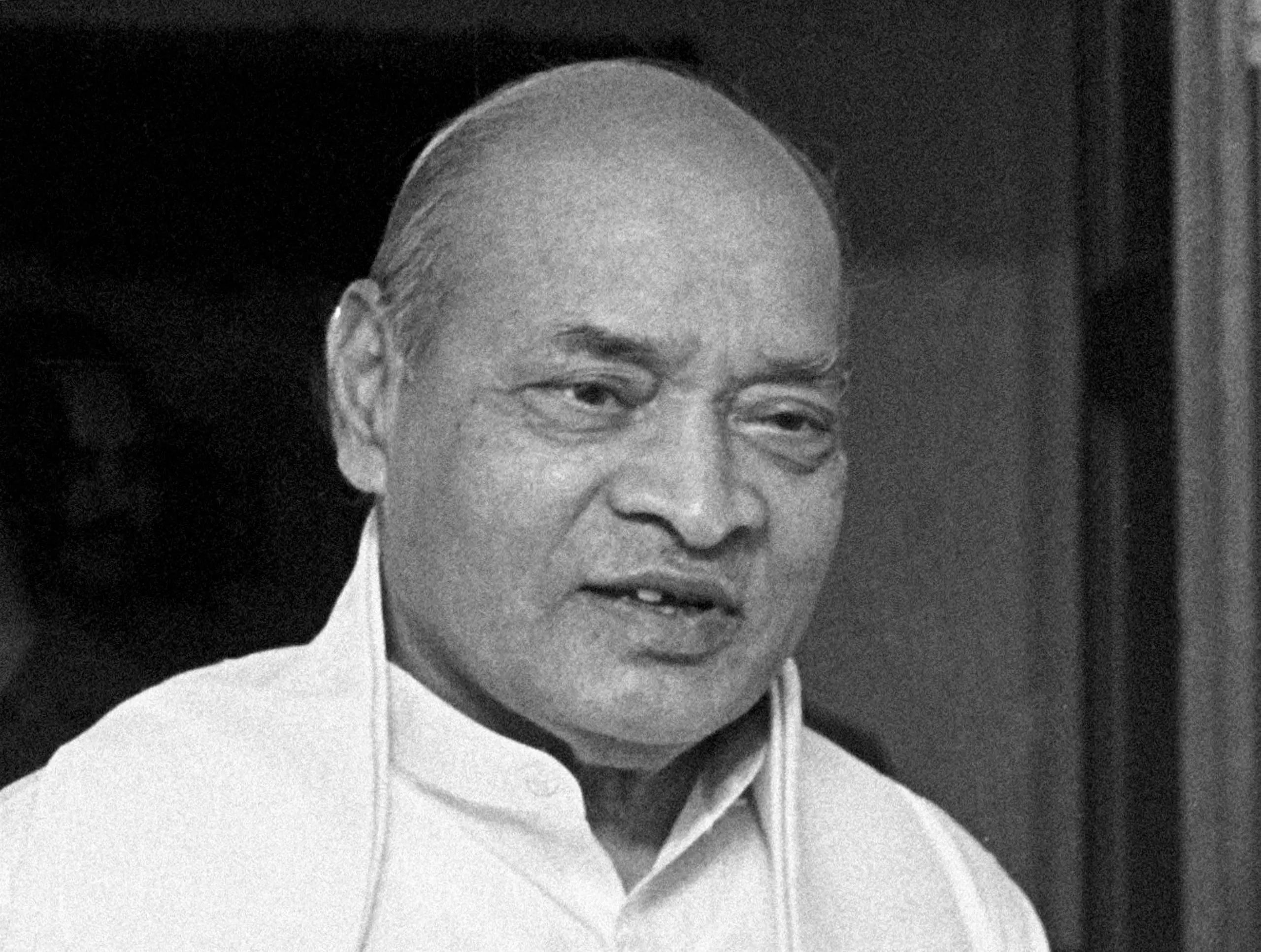
P. V. Narasimha Rao
 India
Indiapolitician•novelist•freedom fighter
Also known as: P. V. Narasimha Rao, Pamulaparthi Venkata Narasimha Rao, Chanakya
Geburtstag
June 28, 1921
Sternzeichen
Cancer
Geburtsort
Laknepalli, Warangal district, Hyderabad State (now Telangana), India
Alter
Gestorben mit 83
Über
Pamulaparthi Venkata Narasimha Rao war der 9. Premierminister Indiens und der Architekt der Wirtschaftsreformen von 1991, die das Land neu gestalteten. Als Gelehrter und Politiker, der 13 Sprachen fließend sprach, führte er von 1991 bis 1996 eine Minderheitsregierung der Kongresspartei und steuerte Indien aus einer schweren Zahlungsbilanzkrise, indem er das License Raj abschaffte und die Wirtschaft für globale Märkte öffnete. Seine Politik, die gemeinsam mit Finanzminister Manmohan Singh umgesetzt wurde, wird weithin dafür verantwortlich gemacht, Indiens Wachstumskurs zu beschleunigen, und wurde von jeder nachfolgenden Regierung fortgeführt.
Raos politische Karriere erstreckte sich über fünf Jahrzehnte, einschließlich seiner Tätigkeit als Chief Minister von Andhra Pradesh sowie als Unionsminister für Verteidigung, Inneres und Äußeres. Bekannt für seine intellektuelle Tiefe und sein politisches Geschick, wurde ihm 2024 posthum der Bharat Ratna, Indiens höchste zivile Auszeichnung, verliehen. Im Jahr 2025 wurde sein Porträt zu seinem Geburtstag im Raj Bhavan, Telangana, enthüllt.
Frühes Leben & Hintergrund
Narasimha Rao wurde am 28. Juni 1921 in eine Niyogi-Brahmanenfamilie im Dorf Laknepalli, Narsampet Mandal, Distrikt Warangal, im heutigen Telangana (damals Teil des Staates Hyderabad) geboren. Seine Muttersprache war Telugu. Er absolvierte einen Teil seiner Grundschulbildung im Dorf Katkuru, während er bei einem Verwandten, Gabbeta Radhakishan Rao, lebte. Nach einem BA an der Osmania University studierte er Jura am Fergusson College in Pune und später an der Nagpur University, wo er schließlich einen juristischen Abschluss erwarb.
Während seiner Studienzeit nahm er an der Vande-Mataram-Bewegung in Hyderabad teil. In den 1940er Jahren war er zusammen mit einem entfernten Cousin Herausgeber der Telugu-Wochenzeitung Kakatiya Patrika. Er war ein aktiver Unabhängigkeitsaktivist und traf Mahatma Gandhi. Nach der Unabhängigkeit begann er seine Vollzeitpolitik als Mitglied der Kongresspartei, praktizierte gleichzeitig als Anwalt und war als Landwirt tätig.
Karriereentwicklung
Raos Durchbruch kam 1971, als er Chief Minister von Andhra Pradesh wurde, wo er Landreformen umsetzte und die politische Beteiligung unterer Kasten förderte. Er unterstützte Indira Gandhi während der Kongressspaltung von 1969 und schloss sich der Fraktion Kongress (I) an. Nachdem er wichtige Unionsministerien innehatte, wurde er am 21. Juni 1991 Premierminister und führte eine Minderheitsregierung mit 244 Sitzen. Er war der erste Premierminister aus Südindien und der zweite aus einem nicht-hindi-sprachigen Hintergrund.
Angesichts einer schweren Wirtschaftskrise leitete Rao 1991 eine historische Liberalisierung ein: Abwertung der Rupie, Senkung der Importzölle, Abschaffung der Industrielizenzen und Öffnung für ausländische Investitionen. Diese Reformen beendeten das License Raj und setzten Indien auf einen hohen Wachstumspfad. Seine Amtszeit erlebte auch den Abriss der Babri-Moschee 1992. Nach dem Ende seiner Amtszeit 1996 blieb er bis zu seinem Tod am 23. Dezember 2004 Mitglied des Parlaments.
Karriereverlauf
Öffentliches Bild & Stil
Rao wurde aufgrund seiner politischen Schläue oft 'Chanakya' genannt. Er pflegte eine gelehrt-zurückhaltende Persönlichkeit, bekannt für seine intellektuelle Tiefe und gemessenen öffentlichen Aussagen. Die Mediendarstellung betont seine Rolle als Architekt von Indiens wirtschaftlicher Transformation. Seine Reden und Schriften waren philosophisch und gelehrt. Er wird weithin als Staatsmann und Reformer studiert, obwohl es kein formelles Fandom gibt. Er wird manchmal als 'Vater der indischen Wirtschaftsreformen' bezeichnet.
Ruhm & Fandom
P. V. Narasimha Rao stands as a monumental figure in modern Indian history, yet his global footprint operates differently than that of the entertainment elite. As of August 2026, the iFANN Global Fame Engine has evaluated his standing and confirmed he currently holds no placement within the published Global Top 1,000 or any Top-100 scope list. This absence of a numerical rank reflects his unique status as a statesman rather than a pop culture commodity; his influence is measured in policy shifts and institutional reverence rather than viral metrics or chart positions. The world knows him for dismantling the License Raj and steering India through a severe economic crisis, achievements that anchor his legacy in political science textbooks rather than fan wikis. Unlike celebrities who command organized followings, Rao never cultivated a formal fanbase with a specific name or ritualistic engagement. His admirers are not a movement of individuals organizing tributes or launching charity drives in his honor. Instead, public homage flows through official channels where political leaders across party lines pay respects on anniversaries, and state infrastructure projects bear his name. While citizens benefit from the economic boom he engineered, there are no records of crowds disrupting streets or fan campaigns demanding his work be promoted. His fame remains rooted in the quiet power of his decisions, making him a revered architect whose legend is built on verified historical milestones like being the first non-Gandhi Prime Minister to complete a full term.
Interessante Fakten und Legenden
P. V. Narasimha Rao was a polymath capable of speaking thirteen languages, including eight Indian tongues alongside English, French, Arabic, Spanish, German, Greek, Latin, and Persian. He penned novels and poems in Telugu and Hindi while working as an agriculturist and advocate before entering politics. His literary contributions included translating Viswanatha Satyanarayana's Telugu novel Veyi Padagalu into Hindi as SahasraPhan and adapting Hari Narayan Apte's Marathi Abala Jeevitam into Telugu. He also lectured at universities in the USA and West Germany under a pen name. Beyond his scholarly pursuits, Rao left behind legends of strategic brilliance and independent courage. He is widely remembered for issuing a stark warning on Independence Day 1995, stating that Pakistan was exporting terror and that Jammu and Kashmir was not merely an issue but a fundamental threat. This prophetic insight into regional security dynamics became a cornerstone of his political mythology. Another defining chapter of his life was his role as the principal architect of the 1991 economic reforms, which ended the License Raj and opened India to global markets. Historians cite this moment as the singular event that set the nation on a trajectory of high growth. He also holds the distinction of being the first Prime Minister outside the Nehru-Gandhi family to serve a full five-year term, symbolizing a shift away from dynastic dominance in Indian politics.
Familie & Privatleben
Raos leibliche Eltern waren Sitarama Rao und Rukma Bai aus landwirtschaftlichen Niyogi-Brahmanenfamilien. Im Alter von drei Jahren wurde er von Pamulaparthi Ranga Rao und Rukminamma adoptiert und zog in das Dorf Vangara im Bheemadevarpalle Mandal, dem heutigen Distrikt Hanamkonda, Telangana. Er heiratete Satyamma Rao, die vor ihm starb. Sie hatten drei Söhne und fünf Töchter. Sein familiärer Hintergrund ist der der landwirtschaftlichen Niyogi-Brahmanen.
Bemerkenswerte Verbindungen
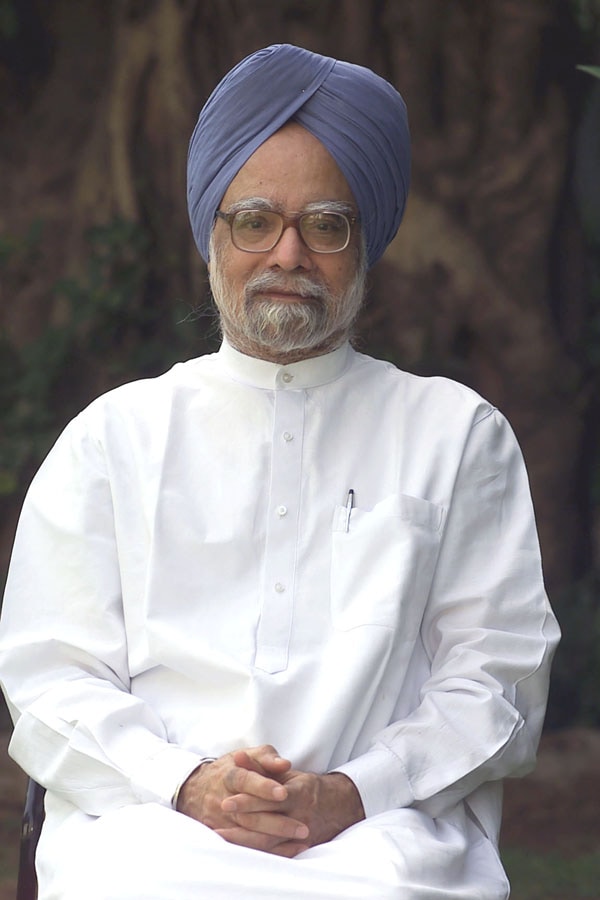
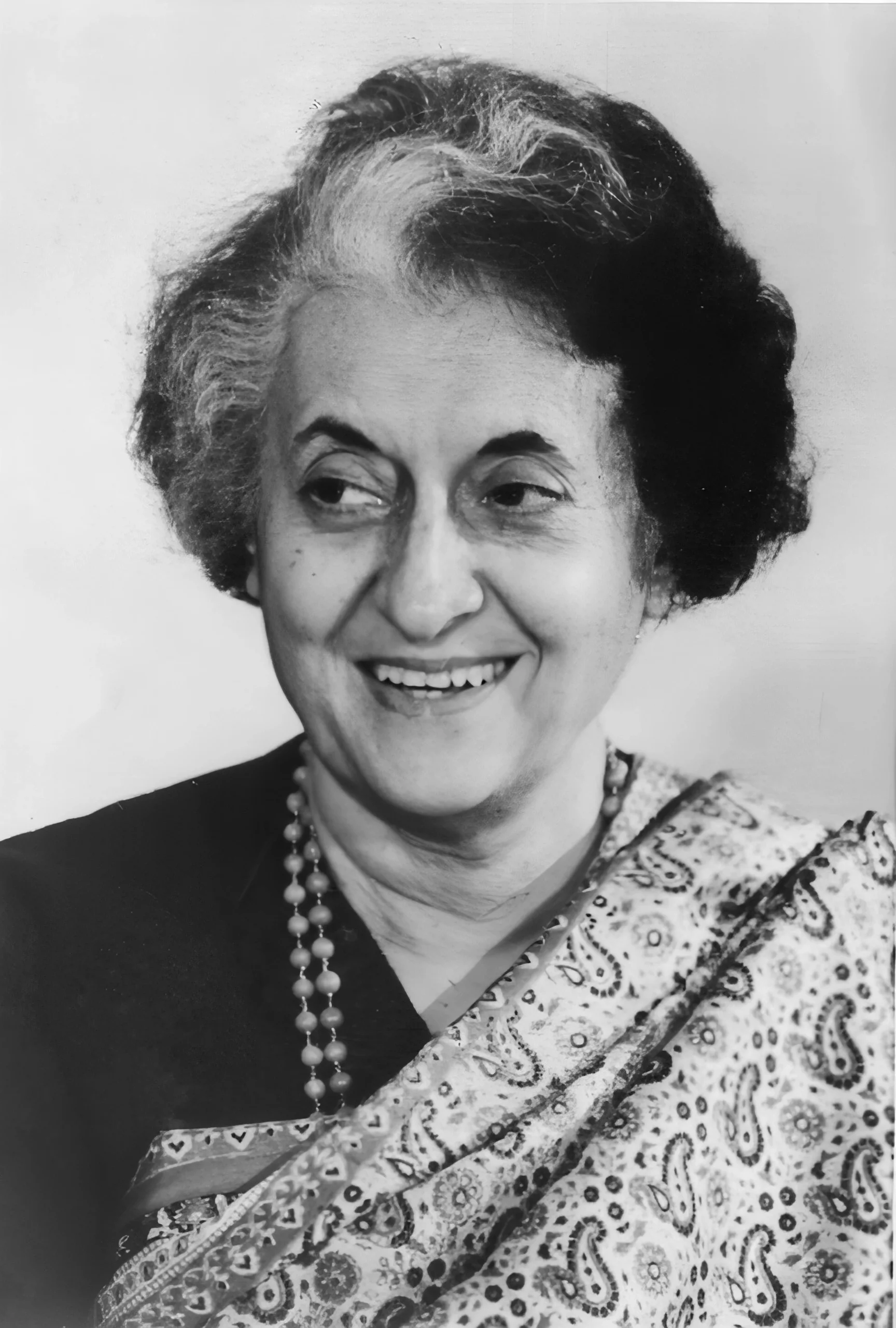
Rao arbeitete eng mit Indira Gandhi zusammen und unterstützte sie während der Kongressspaltung von 1969. Sein Finanzminister Manmohan Singh war der Hauptausführende der Wirtschaftsreformen von 1991. Er übersetzte Werke des Telugu-Romanautors Viswanatha Satyanarayana und des Marathi-Romanautors Hari Narayan Apte.
Beziehungen & Dating-Vergangenheit
Rao hatte nur eine bekannte romantische Beziehung: Er heiratete Satyamma Rao in den 1940er Jahren. Sie starb vor ihm, und er war zum Zeitpunkt seiner Amtsübernahme als Premierminister 1991 Witwer. Sie hatten drei Söhne und fünf Töchter. Er heiratete nach ihrem Tod nie wieder.
- VerheiratetSatyamma RaoSie war seine Frau und die Mutter seiner acht Kinder. Sie starb vor ihm.
Tod und Nachwirkungen
Gestorben
December 23, 2004 (im Alter von 83 Jahren)
Sterbeort
Hyderabad, Andhra Pradesh
Todesursache
Natürliche Ursachen
P. V. Narasimha Rao, the 9th Prime Minister of India and a distinguished novelist, died on December 23, 2004, at his residence in Hyderabad, Andhra Pradesh (now Telangana). He was 83 years old at the time of his death. The cause of death was reported as natural causes resulting from a prolonged illness, specifically complications arising from age-related ailments. While specific medical details were not released in a formal coroner's report or autopsy publicly available in general records, the official statement came from his family and was corroborated by hospital staff present at his home, where he had been under care for several months prior to his passing. There are no disputed accounts regarding the circumstances of his death; he passed away peacefully in his sleep.
His final days were spent in relative seclusion at his Hyderabad home, following a period of declining health that limited his public appearances significantly in the years leading up to 2004. V. Narasimha Rao's death. The estate and affairs were handled privately by his family. Public reaction to his death was marked by widespread tributes from political peers, government institutions, and the general populace. Upon his death, the Government of India declared a day of national mourning. Former colleagues, including then-President A.P.J. Abdul Kalam and Prime Minister Manmohan Singh, issued statements praising his contributions to Indian democracy and economic reform. The Indian National Congress party organized memorial services across the country. Memorial murals dedicated to him exist in various parts of Hyderabad and Karimnagar, though these were often established or renovated posthumously rather than erected immediately upon his death.
His funeral was a private affair held on December 24, 2004, at his ancestral village of Laknepally in the Karimnagar district of Andhra Pradesh. The cremation rites were performed according to Hindu traditions. Notable attendees included senior leaders of the Congress party, former ministers, and members of his immediate family. The event was relatively low-key compared to state funerals, reflecting his wish for privacy, though it was attended by high-ranking officials who paid their respects before the cremation. In the posthumous era, numerous honors have been bestowed upon P. V. Narasimha Rao. In 2005, he was posthumously awarded the Padma Vibhushan, India's second-highest civilian award, for his contributions to the nation. Several educational institutions and scholarships have been named in his honor, including the P.V. Narasimha Rao Chair at various universities.
A major landmark in Hyderabad, the PV Narasimha Rao Expressway, was named after him to commemorate his role in transforming the city's infrastructure. Additionally, the Prime Ministers Museum and Library (PMML) has held special exhibitions featuring rare photographs and documents related to his life and tenure. His grandson, K. Chandrashekar Rao (who later became the Chief Minister of Telangana), has frequently spoken about his grandfather's legacy, and an exhibition was inaugurated by his grandson at the PM Sanghralaya in 2026. Regarding his estate, it was managed entirely by his family, though his literary works continue to be published and distributed by Penguin Random House India.
Vermögen (Nachlasswert)
Es gibt keine öffentlich zugängliche Schätzung des Vermögens von P. V. Narasimha Rao. Als Berufspolitiker und Beamter, der 2004 starb, ist der Wert seines Nachlasses nicht bekannt. Er besaß keine bedeutenden kommerziellen Unternehmen und hatte keine posthumen Einnahmequellen wie Lizenzverträge. Sein Nachlass besteht wahrscheinlich aus persönlichem Eigentum und Familienvermögen, möglicherweise einschließlich verbleibender Buchhonorare aus seinen literarischen Werken.
Gewonnene Auszeichnungen (2)
Rao wurde posthum 2024 mit dem Bharat Ratna, Indiens höchster ziviler Auszeichnung, für seine Rolle bei den Wirtschaftsreformen und im öffentlichen Dienst geehrt.
1980
65.90
2024 · Zivilist
Economic reforms and public service
Bekannt für
Prime Minister of India
1991 · 9th Prime Minister
Economic liberalization of 1991
1991 · Architect of reforms
Chief Minister of Andhra Pradesh
1971 · Chief Minister
Schlagwörter
Quellen
Kurzfakten
- Beruf
- politician, novelist, freedom fighter
- Geboren
- June 28, 1921
- Geburtsort
- Laknepalli, Warangal district
- Gestorben
- December 23, 2004
- Sterbeort
- Delhi
- Geschlecht
- Männlich
- Sternzeichen
- Cancer
- Ehepartner
- Satyamma Rao
- Children
- 3 sons, 5 daughters
Persönliche Details
- Vollständiger Name
- Pamulaparthi Venkata Narasimha Rao
- Ehepartner
- Satyamma Rao
- Kinder
- Three sons and five daughters
- Bildung
- Bachelor of Arts from Osmania University; Master's degree in Law from Fergusson College (University of Bombay); law degree from Nagpur University
Häufig gestellte Fragen
Wofür ist P. V. Narasimha Rao bekannt?
Kinder von P. V. Narasimha Rao?
Alter von P. V. Narasimha Rao bei seinem Tod?
Vermögen von P. V. Narasimha Rao?
Kaste von P. V. Narasimha Rao?
Der Community beitreten
Fans diskutieren