Rivelino
 Brazil
association football player•journalist•association football coach
Geburtstag
January 1, 1946
Sternzeichen
Capricorn
Geburtsort
São Paulo, Brazil
Alter
80 years old
Größe
5 ft 7 in (1.69 m)
Über
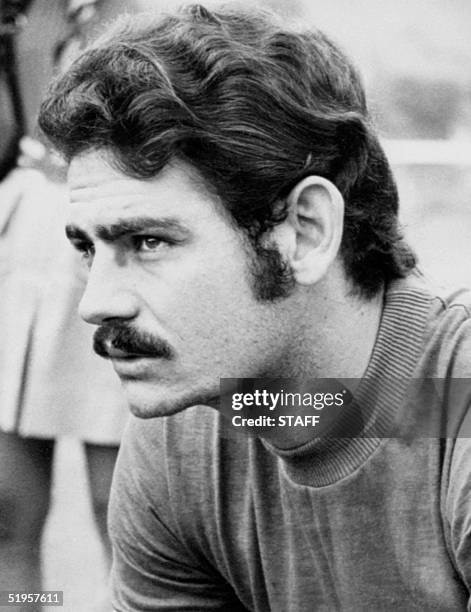
Roberto Rivellino, geboren am 1. Januar 1946 in São Paulo, ist ein brasilianischer Fußballexperte und ehemaliger Spieler, der Brasilien 1970 zum Gewinn der FIFA-Weltmeisterschaft verhalf. Als Sohn italienischer Einwanderer aus Macchiagodena, Isernia, spielte er als offensiver Mittelfeldspieler, bekannt für seinen starken linken Fuß, präzise Pässe und die Fähigkeit, Freistöße zu zirkeln. Sein ikonischer Schnurrbart wurde ebenso berühmt wie seine Fähigkeiten. 2004 ernannte Pelé ihn zu einem der FIFA 100 größten lebenden Spieler. Nach seiner Karriere arbeitete er als Experte für TV Cultura. Im Laufe seiner Karriere spielte er für Vereine wie Corinthians und Fluminense, absolvierte über 600 Spiele und erzielte mehr als 200 Tore.
Frühes Leben & Hintergrund
Rivellino wuchs in den Arbeiterstadtteilen von São Paulo auf, wo seine Familie stabile Fabrikjobs über den Fußball stellte. Trotzdem spielte er heimlich für den lokalen Amateurclub Atlético Indiano. Mit 16 Jahren schloss er sich 1962 der Futsal-Mannschaft von C.A. Barcelona an, wo er seine enge Ballkontrolle und seinen starken linken Fuß verfeinerte. Im folgenden Jahr wechselte er in die Jugendabteilung von Corinthians, wo er seine charakteristische Dribbeltechnik und Freistoßtechnik entwickelte. Seine frühen Jahre bei Corinthians fielen mit der längsten Titeldürre des Vereins zusammen: Sie gewannen zwischen 1954 und 1977 keine São Paulo-Staatsmeisterschaft.
Karriereentwicklung
Rivellino gab 1965 sein Profidebüt für Corinthians, wurde schnell zum Publikumsliebling und erhielt den Spitznamen „O Rei do Parque“ (König des Parks). Im selben Jahr bestritt er sein erstes Länderspiel für Brasilien. Bei der Weltmeisterschaft 1970 erzielte er einen atemberaubenden Freistoß gegen die Tschechoslowakei und bildete mit Pelé und Jairzinho ein tödliches Angriffstrio, das Brasilien zur dritten Meisterschaft verhalf. Er spielte auch bei den Weltmeisterschaften 1974 und 1978. 1975 wechselte er zu Fluminense und gewann 1980 die Campeonato Carioca. Seine Spielerkarriere beendete er von 1978 bis 1981 bei Al-Hilal in Saudi-Arabien, wo er in 57 Spielen 25 Tore erzielte. Nach dem Rücktritt trainierte er 1994 den japanischen Verein Shimizu S-Pulse und wurde später Fußballexperte bei TV Cultura.
Karriereverlauf
Öffentliches Bild & Stil
Rivellino wird als Spielmacher mit außergewöhnlicher Spielübersicht, enger Ballkontrolle und einem starken linken Fuß in Erinnerung behalten. Seine Freistoßfähigkeiten und Dribbelkünste beeinflussten eine Generation brasilianischer Mittelfeldspieler. Sein ikonischer Schnurrbart wurde zu einem Markenzeichen. Durch seine Arbeit als Experte bei TV Cultura bleibt er eine respektierte Stimme in der Fußballanalyse.
Ruhm & Fandom
Roberto Rivellino stands as the 83rd most famous person from Brazil, a position he has climbed to from the 85th spot in the previous cycle. This standing reflects his enduring legacy within the iFANN Global Fame Rankings. While modern celebrities often rely on active social campaigns, Rivellino's fame rests on his status as a football icon whose influence transcends generations. His fanbase does not operate under a formal name or organized structure typical of contemporary pop culture phenomena. Instead, appreciation for his career is channeled through broader Brazilian football history and the collective memory of the 1970 World Cup squad. There are no documented birthday billboards, subway ad campaigns, or dedicated fan clubs that organize chart pushes for him. Fans interact with his legacy primarily through retrospective discussions on his playing style and his continued role as a respected pundit. The absence of a specific fandom name underscores his position as a historical figure rather than a current celebrity; his supporters are generally those who revere the golden era of Brazilian football. He remains a vital voice in analysis, but the structured, ritualistic engagement seen with modern stars simply does not exist for the man known as "O Rei do Parque".
Interessante Fakten und Legenden
Rivellino's iconic moustache became as recognizable as his football skills, serving as a trademark that fans still associate with his image today. He began his journey as a futsal player before transitioning to professional football, a path that honed the close control he would later display on the pitch. His father played a pivotal role in his life, acting as both mentor and manager throughout his entire career. During his time at Corinthians, the fans affectionately dubbed him "O Rei do Parque" (King of the Park), a nickname that highlights his local dominance. He was also a key member of Brazil's 1970 World Cup-winning team, playing alongside legends like Pelé. Beyond these established facts, a popular story circulates claiming Rivellino scored the fastest goal ever recorded. While this tale is widely retold by fans as part of his mythology, it remains an unverified anecdote rather than an official statistical record. Additionally, his mastery of the *elástico* move cemented his reputation as the "King of Dribble," a title earned through decades of technical brilliance that influenced countless midfielders who followed.
Familie & Privatleben
Rivellinos Vater, Nicolino Rivellino (bekannt als „Seu Nicola“), besaß eine Geflügelfarm und managte die Karriere seines Sohnes bis zu seinem Tod um 2002. Seine Mutter Iolanda war eine standhafte Unterstützerin. Seine Großeltern väterlicherseits, Biagio und Pina, wanderten aus Macchiagodena, Italien, ein, während seine Großeltern mütterlicherseits, Abílio und Esperança, portugiesischer Abstammung waren.
Bemerkenswerte Verbindungen
Beziehungen & Dating-Vergangenheit
Gehalt, Vermögen in 2026
$10 Million
Schätzung der iFANN-Redaktion
As of 2026, iFANN currently estimates Roberto Rivellino's net worth at $10 Million. This figure represents a researched editorial assessment of his financial standing based on his long-standing career in association football. His wealth stems from earnings accumulated during his playing days, lucrative endorsement deals, and his sustained work as a pundit for TV Cultura. After retiring from active play, he managed Shimizu S-Pulse before fully transitioning into the media landscape where he remains a respected football analyst. These diverse income streams have contributed to his current valuation, reflecting both his historical impact on the sport and his ongoing relevance in sports commentary.
Gewonnene Auszeichnungen (5)
Rivellino gewann mehrere prestigeträchtige Ehrungen, darunter den Silbernen Ball als Südamerikas Fußballer des Jahres 1977 und den Golden-Foot-Legenden-Award 2005. Er wurde 2004 in die FIFA 100 aufgenommen und in die Ruhmeshalle des Brasilianischen Fußballmuseums und die Corinthians-Ruhmeshalle aufgenommen.
1977 · Spieler des Jahres
2004 · Größte lebende Spieler
Bekannt für
1970 FIFA World Cup
1970 · Attacking Midfielder
Corinthians
1965 · Attacking Midfielder
Fluminense
1975 · Attacking Midfielder
Schlagwörter
Quellen
Kurzfakten
- Beruf
- association football player, journalist, association football coach
- Geboren
- +1946-01-01
- Geburtsort
- São Paulo
- Geschlecht
- Männlich
- Sternzeichen
- Capricorn
Persönliche Details
- Vollständiger Name
- Roberto Rivellino
- Größe
- 5 ft 7 in (1.69 m)
Häufig gestellte Fragen
Wie alt ist Rivellino?
Wie hoch ist Rivellinos Vermögen im Jahr 2026?
Ist Rivellino 2026 noch aktiv?
Hat Rivellino die Weltmeisterschaft gewonnen?
Auf welcher Position spielte Rivellino?
Der Community beitreten
Fans diskutieren