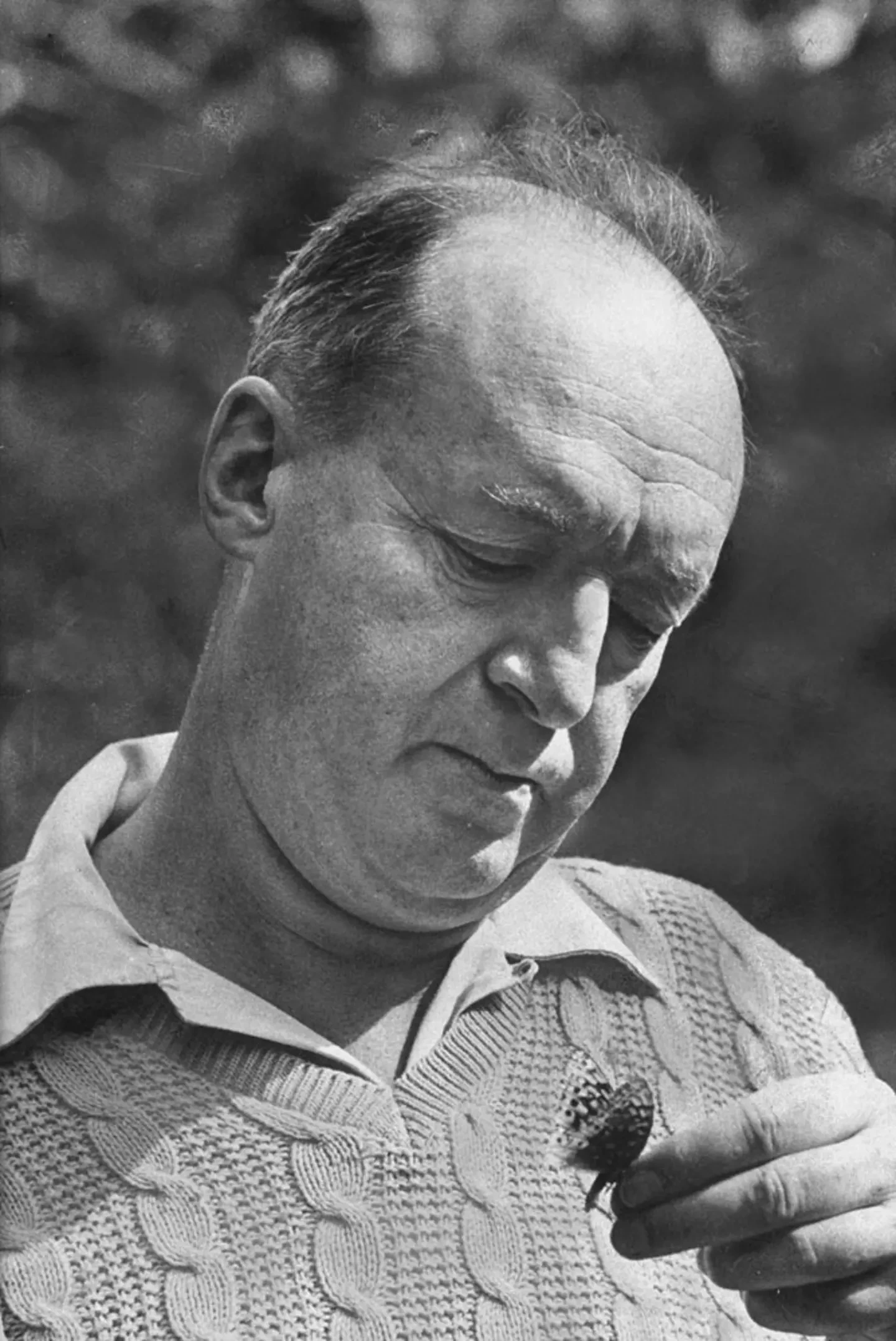
Vladimir Nabokov
 Russia
novelist•poet•translator•entomologist
Also known as: V. Sirin, Vladimir Vladimirovich Nabokov
Geburtstag
April 22, 1899
Sternzeichen
Aries
Geburtsort
Saint Petersburg, Imperial Russia
Alter
Gestorben mit 78
Größe
6 ft 1 in (185 cm)
Über
Vladimir Nabokov was the Russian-American novelist, poet, translator, and lepidopterist who reshaped twentieth-century literature with his intricate prose and metafictional daring. His most famous work, Lolita (1955), remains both a commercial phenomenon and a critical touchstone, selling over 100,000 copies in its first three weeks in America and ranking fourth on Modern Library's list of the best novels of the century. Today his reputation rests on a body of work that includes the dizzying Pale Fire (1962), the autobiographical masterpiece Speak, Memory (1951), and the sprawling Ada or Ardor (1969). Nabokov's style, dense with wordplay, literary allusion, and a scientist's precision, has drawn comparisons to James Joyce and Marcel Proust. Beyond the page, he was a respected entomologist who contributed to the study of butterflies, with a genus named in his honor. His estate continues to generate steady revenue from royalties, film adaptations, and posthumous publications, sustaining his legacy as one of the most distinctive voices in modern letters.
Frühes Leben & Hintergrund
Vladimir Nabokov wurde in eine wohlhabende aristokratische Familie in Sankt Petersburg geboren, als ältestes von fünf Kindern. Sein Vater, Vladimir Dmitrievich Nabokov, war ein prominenter liberaler Politiker und Jurist, der in der russischen Provisorischen Regierung diente; seine Mutter, Elena Ivanovna Rukavishnikova, war eine Erbin, die seine Liebe zur Natur und Literatur förderte. Die Familie teilte ihre Zeit zwischen einem Stadthaus in der Bolshaya Morskaya Straße und dem Landgut Vyra bei Siverskaya auf, wo der junge Nabokov eine lebenslange Leidenschaft für Schmetterlinge entwickelte. Er wuchs dreisprachig auf, Englisch und Französisch wurden von Gouvernanten und Tutoren unterrichtet, bevor er von 1911 bis 1917 die Tenishev-Schule, eine progressive Privatschule, besuchte. Die Bolschewistische Revolution zwang die Familie 1919, aus Russland zu fliehen, zuerst auf die Krim und dann ins Exil nach England. Nabokov trat dem Trinity College in Cambridge bei, wo er russische und französische Literatur studierte und 1922 seinen Abschluss machte. Im selben Jahr wurde sein Vater in Berlin von einem monarchistischen Attentäter ermordet, ein Trauma, das sich in seiner Fiktion widerspiegeln sollte. Nach Cambridge ließ sich Nabokov in Berlin nieder, wo er unter dem Pseudonym V. Sirin Gedichte und Romane auf Russisch zu schreiben begann. Sein erster Roman, Mary (1926), wurde mit mäßigem Beifall veröffentlicht, gefolgt von The Defense (1930) und Invitation to a Beheading (1938), die seinen Ruf in der russischen Emigrantengemeinschaft festigten, aber wenig finanzielle Sicherheit boten. Der Aufstieg des nationalsozialistischen Deutschlands zwang ihn und seine jüdische Frau Véra, 1937 nach Frankreich und dann 1940 in die Vereinigten Staaten zu fliehen.
Karriereentwicklung
Nach seiner Ankunft in den Vereinigten Staaten kämpfte Nabokov darum, sich als englischsprachiger Schriftsteller zu etablieren. Er übernahm eine Stelle als Dozent für Vergleichende Literaturwissenschaft am Wellesley College und wurde später Kurator für Lepidopterologie am Museum für Vergleichende Zoologie der Harvard University. Sein erster englischer Roman, The Real Life of Sebastian Knight (1941), erhielt wenig Aufmerksamkeit, und seine gefeierte Memoiren Speak, Memory (1951) festigten seinen Ruf bei Kritikern. Von 1948 bis 1959 lehrte er russische Literatur an der Cornell University, wo er für seine anspruchsvollen Vorträge bekannt war. Der Durchbruch gelang 1955 mit der Pariser Veröffentlichung von Lolita durch Olympia Press. Die kontroverse Thematik des Romans sorgte für einen sofortigen Skandal, wurde zeitweise in Frankreich und den Vereinigten Staaten verboten, aber seine literarische Brillanz war unbestreitbar. Nachdem G.P. Putnam's Sons es 1958 in den USA veröffentlicht hatte, wurde es ein Bestseller, der sich in drei Wochen über 100.000 Mal verkaufte. Der finanzielle Geldsegen ermöglichte es Nabokov, seine Lehrtätigkeit aufzugeben und sich ganz dem Schreiben zu widmen. 1961 zog er nach Montreux in der Schweiz, wo er Pale Fire (1962) schuf, einen metaphiktiven Roman, der heute als einer der größten des 20. Jahrhunderts gilt. Es folgten Ada or Ardor (1969) und Transparent Things (1972). Zum Zeitpunkt seines Todes 1977 arbeitete er an einem unvollendeten Roman, The Original of Laura, der 2009 posthum veröffentlicht wurde.
Karriereverlauf
Öffentliches Bild & Stil
Nabokov pflegte das Image eines aristokratischen, intellektuell distanzierten Dandys, eine Persona, die durch seine präzisen Anzüge, sein Schmetterlingsnetz und seine Verachtung für die Popkultur verstärkt wurde. Die Lolita-Kontroverse brandmarkte ihn dauerhaft als Genie mit fragwürdiger Thematik, ein Etikett, das er sowohl verärgerte als auch nutzte. Kritiker und Leser bewundern vor allem seinen Stil: eine dichte, verspielte Prosa, die erneutes Lesen belohnt und einer einfachen Interpretation widersteht. Seine Fangemeinde ist intensiv akademisch, die International Vladimir Nabokov Society veröffentlicht Nabokov Studies und organisiert Konferenzen. Anhänger nennen sich oft Nabokovianer. Die Social-Media-Präsenz des Autors wird posthum von der Vladimir Nabokov Literary Foundation verwaltet, die bescheidene Followerzahlen auf Facebook und Twitter/X (@NabokovLitFdn) hat.
Ruhm & Fandom
The admirers of Vladimir Nabokov have never coalesced into a unified movement with a specific name or organized chapters. Instead, his audience remains a dispersed collection of academics, critics, and serious readers who identify simply as scholars of his work or devotees of his prose. There are no recorded instances of fan-funded campaigns, birthday billboards, or street parades; the legacy is sustained through intellectual discourse rather than public spectacle. This quiet reverence stands in stark contrast to the frenzied reactions his most controversial work once provoked. While he did not engage directly with fans during his life, preferring his wife Vera to manage all correspondence, the mythos surrounding him has only grown more intricate posthumously. In the landscape of global celebrity metrics, Nabokov maintains a significant position among historical figures. According to the iFANN Global Fame Rankings, he is currently the 29th most famous person from Russia, a standing that has held steady across recent assessment cycles. His reputation rests on a body of work that continues to generate discussion and study, ensuring his presence in contemporary cultural conversations without the need for modern marketing machinery.
Interessante Fakten und Legenden
Vladimir Nabokov was a serious chess composer who published a book of chess problems titled Poems and Problems in 1969. He experienced synesthesia, associating letters and sounds with specific colors, such as the letter B being burnt sienna. A dedicated critic of Freudian psychoanalysis, he frequently mocked the theory within his novels. In a unique literary feat, he translated his own novel Lolita back into Russian, describing the effort as a labor of love. During his tenure teaching at Cornell University, he supplemented his income by giving tennis lessons. His scientific contributions were recognized by the naming of the butterfly genus Nabokovia after him, along with several species of butterflies and moths. A persistent legend involves the publication history of Lolita in 1955. The story goes that the book was deemed too scandalous for American publishers, leading Oulipo member Maurice Girodias to release it via Olympia Press in Paris. Copies were reportedly smuggled into the United States and United Kingdom, sparking moral panics and library burnings that cemented its status as forbidden fruit. Another widely retold narrative concerns the tension between Nabokov and director Stanley Kubrick regarding the 1962 film adaptation. While the movie achieved massive commercial success, folklore suggests Nabokov felt the film sanitized the darker themes of the novel, a sentiment that fueled decades of debate about the true meaning of the story.
Bemerkenswerte Zitate
“Lolita, light of my life, fire of my loins. My sin, my soul.”
“I think it is all a matter of love: the more you love a memory, the stronger and stranger it is.”
“The cradle rocks above an abyss, and common sense tells us that our existence is but a brief crack of light between two eternities of darkness.”
“Human life is but a series of footnotes to a vast obscure unfinished masterpiece.”
Familie & Privatleben
Nabokovs Vater, Vladimir Dmitrievich Nabokov, war eine führende Persönlichkeit der Konstitutionell-Demokratischen Partei und wurde 1922 in Berlin ermordet. Seine Mutter, Elena Ivanovna Rukavishnikova, stammte aus einer wohlhabenden Familie und förderte seine literarischen und wissenschaftlichen Interessen. Er hatte zwei Brüder, Sergey und Kirill, und zwei Schwestern, Olga und Elena. Nabokov heiratete 1925 Véra Evseyevna Slonim; sie wurde seine Lektorin, Tippse, Fahrerin und literarische Nachlassverwalterin und trug nach der Lolita-Kontroverse berühmt eine Pistole, um ihn zu schützen. Ihr einziges Kind, Dmitri Nabokov (1934–2012), war Opernsänger und Übersetzer, der den Nachlass seines Vaters bis zu seinem eigenen Tod verwaltete. Die Familie lebte ab 1961 in Montreux, Schweiz, im Montreux Palace Hotel. Nabokov hielt keine Haustiere, aber seine Leidenschaft für Schmetterlinge war im Haushalt stets präsent.
Bemerkenswerte Verbindungen
Véra Nabokov, seine Frau und literarische Nachlassverwalterin, war seine ständige Mitarbeiterin und Beschützerin. Ihr Sohn Dmitri verwaltete den Nachlass bis 2012. Edmund Wilson, ein Freund und späterer literarischer Rivale, führte eine berühmte öffentliche Auseinandersetzung mit Nabokov über Übersetzung und literarischen Geschmack. Stanley Kubrick inszenierte die Verfilmung von Lolita aus dem Jahr 1962.
Beziehungen & Dating-Vergangenheit
Nabokovs Liebesleben war bemerkenswert stabil. 1922, kurz nach dem Tod seines Vaters, verlobte er sich mit Svetlana Siewert, einer jungen Frau aus einer wohlhabenden russischen Emigrantenfamilie. Ihre Eltern lösten die Verlobung Anfang 1923 auf, da Nabokov keine stabile Karriere hatte. Er traf dann Véra Evseyevna Slonim 1923 auf einem Ball russischer Emigranten in Berlin; sie war ein Fan seiner Werke unter dem Pseudonym Sirin. Sie heirateten am 15. April 1925 und blieben bis zu seinem Tod zusammen. Véra diente als seine Redakteurin, Fahrerin und Beschützerin und trug nach der Lolita-Kontroverse berühmt eine Pistole. Sie hatten einen Sohn, Dmitri. Nabokov widmete ihr alle seine Bücher. Er war zu Lebzeiten nie geschieden oder verwitwet.
- VerlobtSvetlana Siewert1922 - 1923Verlobung von ihren Eltern wegen Nabokovs fehlender beruflicher Stabilität gelöst.
- VerheiratetVéra Nabokov1925 - 1977Auf einem Ball russischer Emigranten in Berlin im Jahr 1923 getroffen; sie war ein Fan seiner Werke. Sie hatten einen Sohn, Dmitri.
Tod und Nachwirkungen
Gestorben
July 2, 1977 (im Alter von 78 Jahren)
Sterbeort
Montreux, Vaud, Switzerland
Todesursache
Pneumonia following respiratory infection
The literary world marked the passing of Vladimir Nabokov with immediate tributes from major institutions and a surge in sales for his backlist, particularly Lolita, Pale Fire, and Ada, as critics and peers honored his contributions to lepidopterology and fiction. The New York Times and other publications ran obituaries highlighting his status as a defining voice of the twentieth century, while universities and the Academy of Arts and Letters issued statements recognizing his unique prose style and scientific precision. His widow Véra oversaw the publication of remaining works including Look at the Harlequins! and managed the estate until her death in 1991, ensuring that adaptations adhered to his artistic vision.
Nabokov passed away on July 2, 1977, at the Monte Carlo Hotel in Montreux, Switzerland, where he had resided with his wife. He died peacefully in his sleep at the age of 78, having been admitted to a local clinic in Lausanne shortly before to treat bronchial pneumonia contracted during a respiratory infection. His final days were spent writing and working on memoirs despite declining health caused by chronic heart conditions and respiratory issues. A private funeral service was held on July 6, 1977, in Montreux, conducted according to Russian Orthodox tradition and attended exclusively by close family members including his wife Véra and son Dmitri.
Following the ceremony, Nabokov was cremated and his ashes interred in the cemetery of Montreux near Lake Geneva. Posthumous releases included The Original of Laura, published in 2009, alongside numerous honors such as the establishment of the Nabokov Scholarship at Cornell University and the founding of the Vladimir Nabokov Foundation to support scholars and writers.
Vermögen (Nachlasswert)
$25 Million
Schätzung der iFANN-Redaktion
As of 2026, the literary estate of Vladimir Nabokov is valued at approximately $25 million per iFANN's editorial analysis. The primary source of income remains the continuous sale of his novels, particularly Lolita, which moves over 200,000 copies annually worldwide. The estate also collects substantial fees from film and television licensing, including Stanley Kubrick's 1962 adaptation of Lolita and Adrian Lyne's 1997 version. Posthumous publications, notably The Original of Laura in 2009, generated significant revenue streams. The estate was managed by his son Dmitri until 2012 and is now administered by the Nabokov literary trust, which controls all rights to his works, correspondence, and unpublished materials. Royalties from translations and annotated editions add steady income, while the Nabokov Museum in Saint Petersburg sustains cultural interest in his work without serving as a direct revenue source. The estate's value has grown steadily since his death, buoyed by the enduring popularity of his major titles.
Gewonnene Auszeichnungen (5)
Nabokow war siebenmaliger Finalist für den National Book Award for Fiction, gewann ihn aber nie. Er erhielt 1973 die National Medal for Literature, eine bedeutende amerikanische Literaturauszeichnung. Er erhielt Guggenheim Fellowships in den Jahren 1943 und 1953, den American Academy of Arts and Letters Award of Merit im Jahr 1953 und den Brandeis University Creative Arts Award im Jahr 1963. Er wurde 1961 in die American Academy of Arts and Letters gewählt und erhielt Ehrendoktorate von der Harvard University (1959) und der Cambridge University (1962).
1973 · Literatur
Lifetime achievement
1963 · Belletristik
Pale Fire
Bekannt für
Lolita
1955 · Autor
Pale Fire
1962 · Autor
Speak, Memory
1951 · Autor
Ada or Ardor
1969 · Autor
Schlagwörter
Kurzfakten
- Beruf
- novelist, poet, translator, entomologist
- Geboren
- +1899-04-10
- Geburtsort
- Saint Petersburg, Imperial Russia
- Gestorben
- +1977-07-02
- Sterbeort
- Montreux, Switzerland
- Geschlecht
- Männlich
- Ehepartner
- Véra Nabokov
- Sternzeichen
- Aries
- Größe
- 6 ft 1 in (185 cm)
Persönliche Details
- Vollständiger Name
- Vladimir Vladimirovich Nabokov
- Größe
- 6 ft 1 in (185 cm)
- Ehepartner
- Véra Nabokov
- Kinder
- Dmitri Nabokov
- Bildung
- Tenishev School, Saint Petersburg; Trinity College, Cambridge (Bachelor's in Russian and French Literature, 1922)
Häufig gestellte Fragen
Wie alt war Vladimir Nabokov, als er starb?
Hat Wladimir Nabokow den Nobelpreis gewonnen?
Was ist Wladimir Nabokows berühmtestes Buch?
Hatte Wladimir Nabokow Kinder?
Warum gilt Nabokow als großer Schriftsteller?
Soziale Medien
Ähnliche Personen
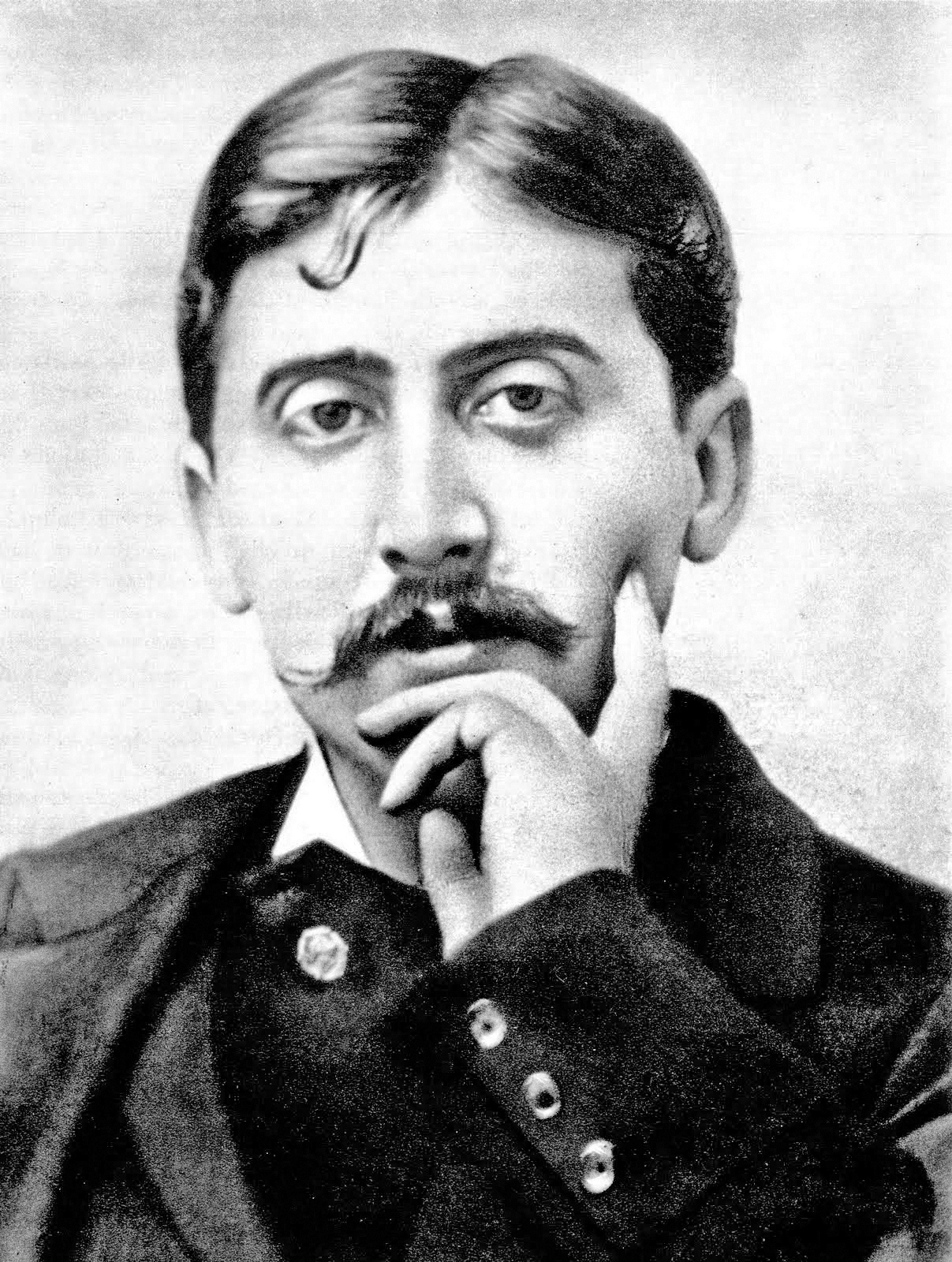
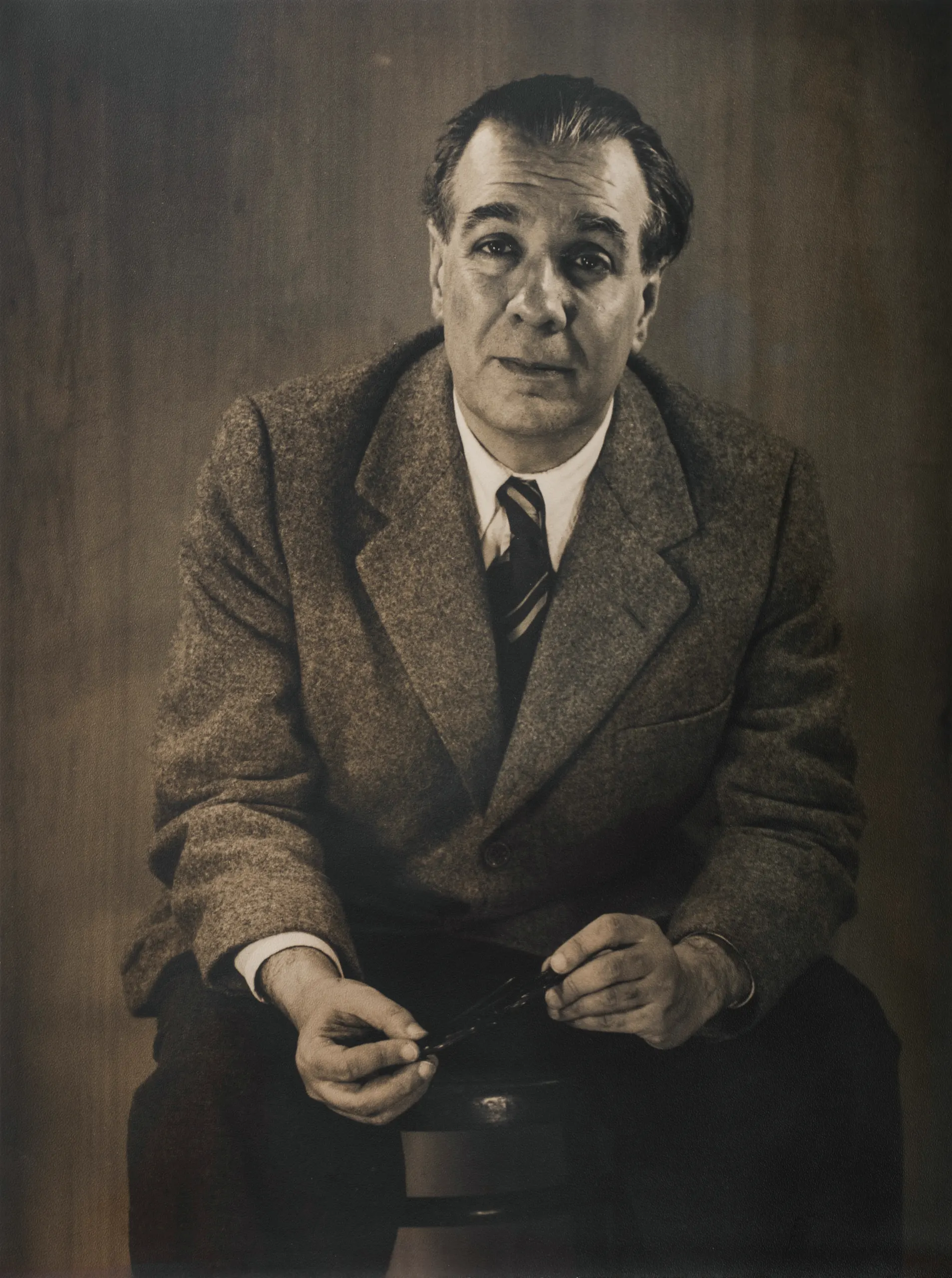
Der Community beitreten
Fans diskutieren