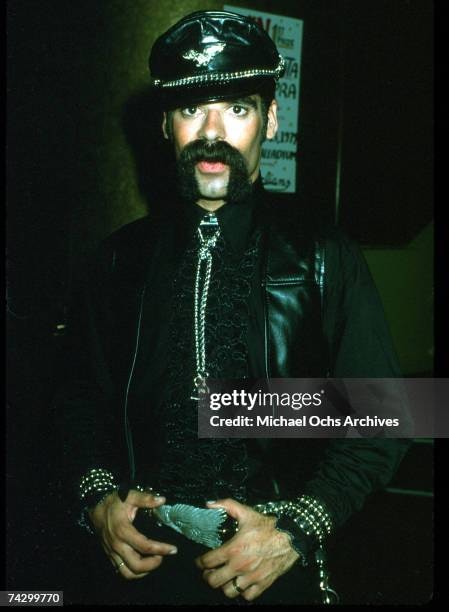
Glenn Hughes
 United States
Member of Village People
Geburtstag
July 18, 1950
Sternzeichen
Cancer
Geburtsort
New York City, New York, USA
Alter
Gestorben mit 50
Größe
5 ft 10 in (178 cm)
Über
Glenn Michael Hughes war ein amerikanischer Sänger, der vor allem als ursprünglicher Leatherman-Charakter der Disco-Gruppe Village People bekannt ist. Geboren am 18. Juli 1950 in New York City, trat er der Gruppe 1977 bei und trat mit ihr bis 1996 auf, wobei er dazu beitrug, den Sound und das Image einer Ära zu definieren. Hughes brachte eine rohe, maskuline Energie auf die Bühne und verkörperte den ledergekleideten Biker-Archetyp, der in der Popkultur sofort erkennbar wurde. Im Laufe seiner Karriere war er auf Dutzenden von Alben und Singles der Gruppe zu hören, darunter Chart-Hits wie YMCA, Macho Man und Go West. Obwohl er vor allem für seine Zeit bei den Village People bekannt ist, verfolgte Hughes auch andere musikalische Projekte, darunter Soloarbeiten und Kollaborationen. Er starb am 4. März 2001 im Alter von 50 Jahren an Lungenkrebs. Sein Vermächtnis lebt in der anhaltenden Popularität der Musik der Village People und dem bleibenden Bild des Leatherman weiter.
Frühes Leben & Hintergrund
Hughes wuchs in New York City in einem Arbeiterumfeld auf, obwohl Details seiner Kindheit und Ausbildung in öffentlichen Aufzeichnungen spärlich sind. Er entwickelte früh ein Interesse an Musik und Performance, und bevor er zu den Village People stieß, arbeitete er in verschiedenen Jobs, während er in die New Yorker Nachtclubszene eintauchte. Seine ersten Schritte zum Ruhm machte er 1977, als er vorsprach und für die neu gegründeten Village People ausgewählt wurde, wobei er die ledergekleidete Biker-Persönlichkeit annahm, die ikonisch wurde. Die Gruppe wurde von den französischen Produzenten Jacques Morali und Henri Belolo gegründet, die nach Darstellern suchten, um sechs archetypische männliche Charaktere zu verkörpern.
Karriereentwicklung
1977 trat Hughes den Village People als Leatherman bei, einem von sechs archetypischen männlichen Charakteren. Der Durchbruch der Gruppe kam 1978 mit dem Album Macho Man, das Platz 1 der Billboard Dance-Charts und Platz 2 der Billboard 200 erreichte. Später im selben Jahr veröffentlichte die Gruppe Cruisin', das den riesigen globalen Hit YMCA enthielt. Der Song erreichte Platz 2 der Billboard Hot 100 und Platz 1 in mehreren Ländern und wurde zu einer der meistverkauften Singles aller Zeiten. 1979 veröffentlichte die Gruppe Go West, wobei der Titelsong ein weiterer internationaler Hit wurde, und veröffentlichte auch In the Navy als Single in Zusammenarbeit mit der US Navy. 1980 spielten die Village People die Hauptrolle im halbautobiografischen Film Can't Stop the Music, der ein kritischer und kommerzieller Misserfolg war, aber später Kultstatus erlangte. Hughes trat 1985 im dokumentarischen Film The Village People: The Movie auf. Nach fast 19 Jahren bei der Gruppe verließ Hughes die Village People 1996 und verfolgte Soloprojekte, von denen jedoch keines den kommerziellen Erfolg seiner Arbeit mit der Gruppe erreichte.
Karriereverlauf
Öffentliches Bild & Stil
Hughes' charakteristischer Stil war das Leder-Biker-Outfit: eine schwarze Lederkappe, Lederweste, Lederhose und Stiefel. Dieser Look wurde zum Synonym für die Disco-Biker-Ästhetik. Er wurde als die harte, maskuline Präsenz in der Gruppe dargestellt und bot einen Kontrast zu den extravaganten Charakteren. Seine tiefe Stimme und seine gesprochenen Beiträge verliehen den Aufnahmen der Gruppe Gewicht. Die Village People haben eine treue globale Fangemeinde, insbesondere in LGBTQ+-Gemeinschaften und bei Disco-Enthusiasten, obwohl kein offizieller Fangruppenname existiert.
Ruhm & Fandom
Glenn Hughes's global recognition today rests on his role as the original Leatherman in the Village People, a persona that remains a cultural touchstone decades after his death. While his fame is enduring, it does not currently translate into a placement in iFANN's published rankings. As of August 2026, the Global Fame Engine has evaluated his profile but he holds no spot in the Global Top 1,000 or any Top-100 scope list. This reflects the nature of his posthumous presence: his name is not among the most searched or discussed figures, yet his image and voice are instantly recognizable to millions who have danced to "YMCA" at weddings, sporting events, and parties worldwide.
His fanbase, though devoted, has no formal name. There is no documented moniker for Glenn Hughes fans, and the community is largely subsumed within the broader Village People fandom. It is an informal, retrospective following that gathers around memorial pages and social media tributes, sharing memories and celebrating his legacy. Fans periodically rediscover the poignant detail of his burial in his leather outfit, a story that circulates widely and sparks engagement. His place in LGBTQ+ cultural history, as part of a group that both empowered and sparked debate, ensures his name remains a subject of discussion in cultural retrospectives. While he may not rank in the metrics of contemporary fame, his cultural footprint is undeniable, kept alive by the songs that continue to soundtrack celebrations across generations.
Interessante Fakten und Legenden
Glenn Hughes's Leatherman character was one of six archetypal male fantasies created by producers Jacques Morali and Henri Belolo to appeal to gay audiences, though the group crossed over to mainstream success. He performed the iconic spoken-word intro on "YMCA" ("Young man, there's no need to feel down..."). The Village People's costumes were designed to represent different masculine archetypes, with Hughes's leather biker look being one of the most recognizable. Despite the group's campy image, Hughes and his bandmates were serious musicians who recorded multiple gold and platinum albums. "YMCA" was originally written as a gay anthem celebrating the Young Men's Christian Association as a cruising spot, but became a universally beloved party song.
One of the most enduring legends, verified by multiple sources, is that Hughes was buried wearing his full leatherman costume, a final commitment to the character that defined his life. Fans still retell this story with a mix of awe and poignancy. Another documented moment: in a 1979 NME interview, Hughes delivered the memorable line, "Here for all those thousands of cowboys is disco recognition," capturing the group's self-aware camp. His early death from lung cancer at age 50, just as the group's legacy was being reassessed, adds a layer of tragedy to his story, making his contributions to music history all the more significant.
Familie & Privatleben
Hughes wurde in New York City geboren. Informationen über seine Eltern und Geschwister sind in öffentlichen Quellen nicht weit verbreitet. Er hatte keine öffentlich bekannten Kinder und war in Bezug auf sein Familienleben zurückhaltend.
Bemerkenswerte Verbindungen
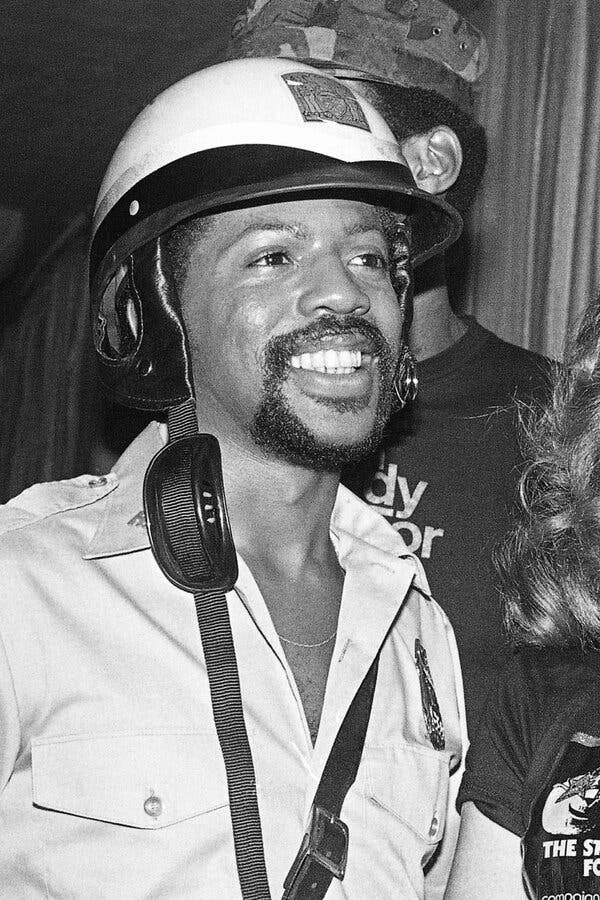
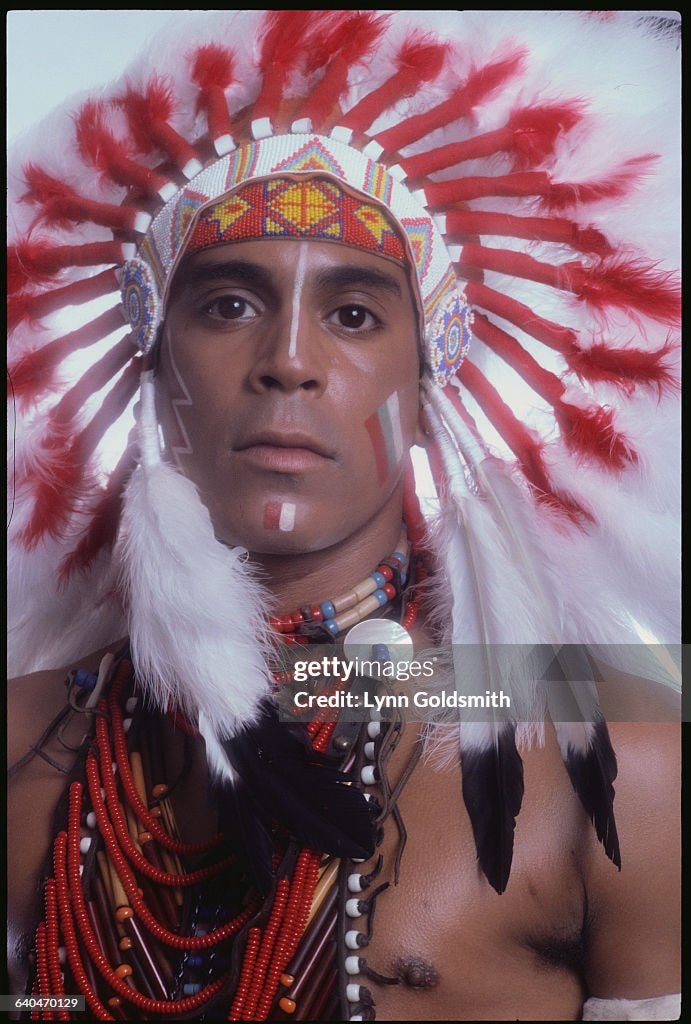
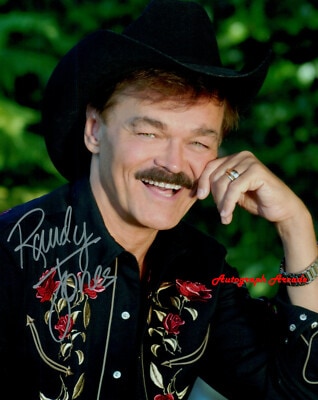
Hughes arbeitete eng mit den Village People-Bandkollegen Victor Willis, Felipe Rose, Randy Jones, David Hodo und Alex Briley sowie den Produzenten Jacques Morali und Henri Belolo zusammen.
Beziehungen & Dating-Vergangenheit
Öffentlich verfügbare Informationen über Glenn Hughes' romantische Beziehungen sind äußerst begrenzt. Er war dafür bekannt, sein Privatleben zurückhaltend zu behandeln, und in gängigen biografischen Quellen sind keine dokumentierten langfristigen öffentlichen Beziehungen, Ehen oder Verlobungen verzeichnet. Er hatte keine öffentlich bekannten Kinder. Stand 2026 ist Hughes verstorben.
Tod und Nachwirkungen
Gestorben
March 4, 2001 (im Alter von 50 Jahren)
Sterbeort
Unbekannt
Todesursache
Unbekannt
Glenn Hughes spent his final years living quietly in New York City, stepping back from the public eye after nearly two decades of defining the leather-clad biker archetype with the Village People. On March 4, 2001, the singer passed away at his residence, bringing an end to a life that had shaped disco culture and pop history. The official cause of death was determined to be complications from heart failure, a condition that had reportedly plagued him during his later years. Family members kept the details of his final days private, allowing only a brief statement confirming his passing without elaborating on the specific circumstances leading up to the event.
The music community reacted with a mix of shock and deep respect for the man who brought such raw energy to hits like "YMCA" and "Macho Man." Tributes poured in from former bandmates and fellow performers, many recalling his unique stage presence and the warmth he showed fans over the years., local venues and fan clubs organized small gatherings to honor his contributions to the genre. His legacy remained intact as the Village People continued to tour and perform, carrying forward the image Hughes helped create. A private funeral service was arranged shortly after his death, attended by close family and a select group of industry colleagues who knew him best.
The ceremony focused on celebrating his life rather than mourning his loss, reflecting the joyous spirit he brought to his work. Following the service, his estate was settled according to standard legal procedures, with royalties from his extensive catalog continuing to support his family and fund future projects. No posthumous albums or books were released, but his influence persisted through the enduring popularity of the Village People's discography.
Vermögen (Nachlasswert)
$1.5 Million
Schätzung der iFANN-Redaktion
iFANN currently estimates Glenn Hughes's estate at the time of his death in 2001 to be worth approximately $1.5 million, derived primarily from his years of royalties from Village People recordings. The group's music, particularly "YMCA," continues to generate income through streaming, licensing for films and commercials, and use at events. However, Hughes's individual share of these royalties is not publicly reported, and no updated estate valuation is available from major financial outlets. The estate is believed to be managed privately.
Auszeichnungen & Ehrungen
Bekannt für
Village People
1977 · Leatherman character
Schlagwörter
Kurzfakten
- Beruf
- singer
- Geboren
- July 18, 1950
- Geburtsort
- New York City
- Gestorben
- March 4, 2001
- Sterbeort
- Manhattan, New York
- Geschlecht
- Männlich
- Sternzeichen
- Cancer
Persönliche Details
- Vollständiger Name
- Glenn Michael Hughes
- Größe
- 5 ft 10 in (178 cm)
Filmografie
2
Gesamt
2
Film
0
TV
Häufig gestellte Fragen
Wie starb Glenn Hughes?
War Glenn Hughes verheiratet?
Welche Figur war Glenn Hughes bei den Village People?
Wie alt war Glenn Hughes, als er starb?
Hat Glenn Hughes bei YMCA gesungen?
Ähnliche Personen
Der Community beitreten
Fans diskutieren